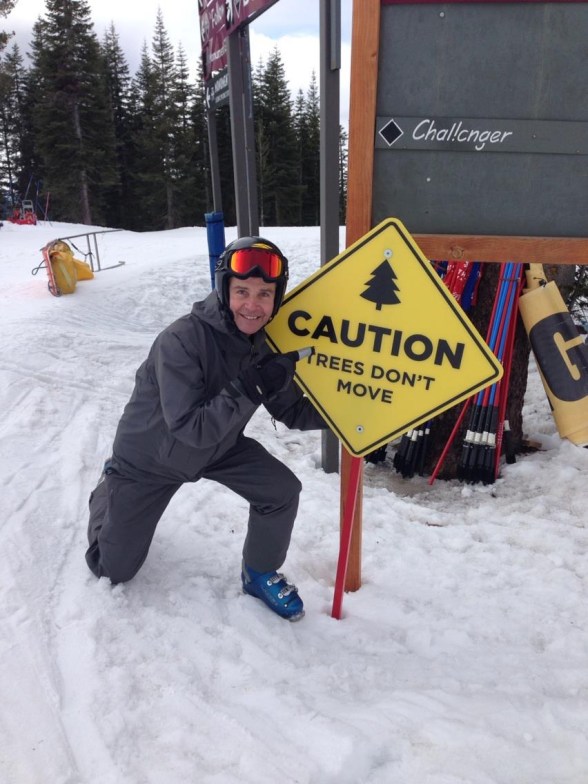
What You Don’t Learn in Most Ski Lessons

Back in the day when I used to take in PSIA (Professional Ski Instructors of America) clinics to update my certification, it was always” what is the move they are teaching this year?” The PSIA think tank revved up over the summer and there seemed to be always a new objective or new movement pattern which was to be taught in clinics for the coming year. Not so much that way any more seeing that PSIA has developed into a continuing education forum that is well formulated. But back when I was certified, there was a specific way to teach skiing based on the current edition of the PSIA manual. There was a certain schedule of achievements that the student was expected to learn before moving up a level and it was all very mechanical and not really that intuitive. You could almost hear the manual come out of the mouths of new instructors as they barked instructions that were taught to them in ski school clinics as well as PSIA clinics. Very mechanical. Today- PSIA appreciates the value of knowing how a student learns. Some people are visual- they need to see a demo. Some are otherwise needing a detailed explanation of the task at hand. And some are somewhere in between. But the need today is to understand the student and how they learn and not necessarily handing them an inflexible way to learn to ski.

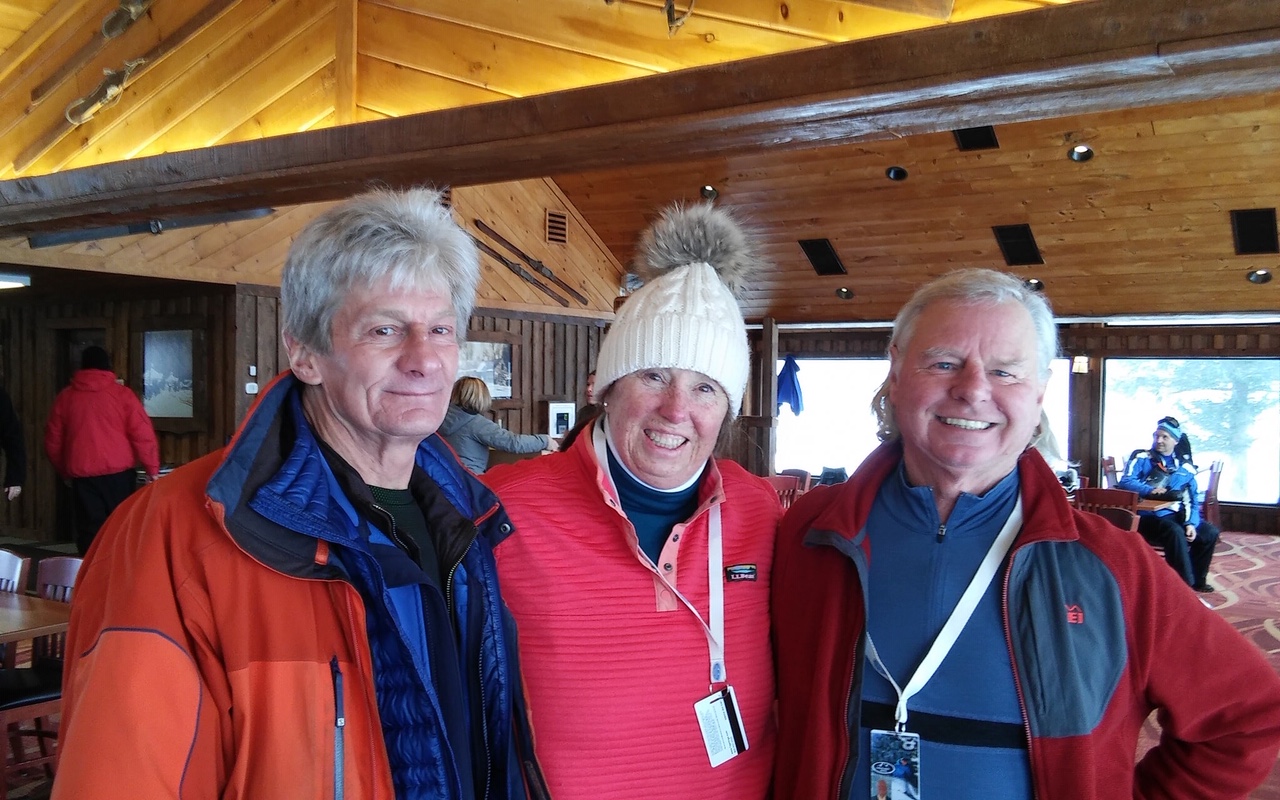
The boys at Mammoth

But some things just don’t come out of a PSIA manual or clinic and are learned and taught by years of practical experience. Organically learned as they say today. I have learned a lot over the years from the group above. One guy is a Level III instructor and the others are former racers. But the things we talk about are practical ways of skiing and what works and what does not work. It is interesting to see the racers perspective on things and then how that sits with me and the other Level III guy. Personally, I say that I have learned more about skiing from these guys than any lesson I ever took. There are things that we utilize that you would not usually see in a lesson plan. We always talk about how the racers ski and watching the World Cup racers or even local strong skiers, you see things like a wider stance with an early transition into the turn. It really shows up when you ski at a higher speed or on steeps that require a special technique not found in typical lessons. I have really tried to learn the wider stance because I am a tall guy and tend to ski in a narrow position. But I see the value of the wider stance to give one more of a chance to get the ski on edge. I also watch and see the lower position to allow the joints to flex and make you more reactive to incidents on the hill that tend to throw you off balance. Watch Mikaela Shiffrin ski and you will observe perfect balance because of a wider stance with a lower more flexed position. Check her out on You Tube or skiandsnowboard.live or Peacock. It is tough to learn this in a typical lesson. Sure, there are some guys who can teach that, but it is really learned by skiing with strong skiers and watching their movement patterns on the hill. When you watch a strong skier make trenches in the snow with an early start to the turn and see the commitment that early, you appreciate their experience and nothing is said. You just observe and try to do the same thing. Sure- we are older skiers and not as strong as World Cup racers and our ability to fully execute a strong turn is compromised by age and fitness. But for the most part- these patterns are hard to teach. They are learned by time on the hill and experience. Tough to get that in a one hour lesson or a half day lesson.

Mikaela Shiffrin on her way to her 84th World Cup win. Look at that stance! Youth is wasted on the young. LOL!!

Bringing it down a notch, there are things that people have asked me where my answer is not necessarily taught in a PSIA lesson module. The narrow wedge, for instance, works out west when you have a lot of room. You can execute wedge turns from a narrow stance which can quickly lead to a wide track stance. Even the modern way of teaching a wide track parallel from the start is fine out west. But if you are learning in a smaller area in the east with crowds and ice, you need a wider stance and need to know how to quickly stop if needed. Practical. A wider wedge rules. Finishing a turn rules too.

If you start your run slower with methodical rounded turns, the rest of your run goes well instead of flying down the hill making 3/4 turns until you have to throw them sideways in a skid to arrest your speed. Rounded, finished turns will allow you to ski anywhere and let you make a series of well executed turns all the way down the hill. Speed is not necessarily your friend if you cannot finish your turns and make them more rounded. I also ski behind anyone who asks and tell them which edge to focus on. They get the sense that they need to start the turn early on the uphill inside edge and move their center of gravity towards the next turn. Belly button towards the next turn. A tough one to teach but when it works, you see the light bulb come on for the skier. They are excited because they learned something new and can work on it. Verbal cues can instigate success. Experience tells me when to give the verbal command about the pressured edge. I keep it simple. I don’t teach anymore but sometimes people ask me how to move up a level and I try to help them with something practical that I know.

A lot of skiers are athletic and can ski on a local hill with success. But I have helped a number of these guys down some pretty steep pitches when their local technique was basically thrown out the window. Simple things like flexing, committing to your next turn, finishing the turn, touching your ski pole downhill and off to the side. Pole touches can block your upper body rotation or assist it if needed by touching off to the downhill side to anticipate the next turn on the steep. Hands ahead and not back. Simple things like this are taught by experience and also in the “doing.” Not necessarily found in a lesson at your local resort. You have to pull out all the stops when a skier is sitting back like they usually do at home and now find themselves on a 40-50 degree pitch.

The importance of tuning and waxing skis is not often mentioned in a typical ski lesson but so important. A little work each week on your own bench at home, works wonders for your skiing. Ask an experienced skier to show you what you need and how to do it. The local shop can help too. How to correctly put on your boots and align and tighten the Booster strap if you have one is not often mentioned but so important. Boot fit and performance is critical in skiing and again, equipment is so important to success on the hill or in a lesson. Watch experienced skiers put their boots on. Very methodical and they take their time to get it right. Nothing but a thin ski sock in the boot. Not the crunched long undies.

A perfectly balanced Kress Reed on a real steep out in Tahoe. You can’t teach this folks. It is acquired with mileage.

There are lots of other things not typically addressed in a lesson but can be learned by skiing or talking with an experienced skier. What is good clothing, how long should your poles be, what is a good DIN setting on your binding, what to wear in the rain, why are ski straps important when you travel, what is the proper under foot measurement for a ski based on how and where you ski? Lots of stuff that is not necessarily covered in a one hour or half day lesson. There are lots of good instructors,(like Art Bonavoglia at Telluride- ask for him) and some not so good ones too, but it is hard to get a lot of experience in a one hour or a half day lesson. The instructor tries to stick to the script and give the student as much as he or she can in the time allotted. If you do get a PSIA certified instructor, pick his or her brains at lunch and ask these kinds of questions. Hopefully their experience will give you some answers. Otherwise, look for the good skiers that you know. Ask them because they are experienced. You will be amazed at the nuggets that they can give you for free and not necessarily found in a lesson. Stuff that works by way of technique and experience. And ski with them. If you are a visual learner like me, you will take on loads of good information. Thanks for reading and think snow.

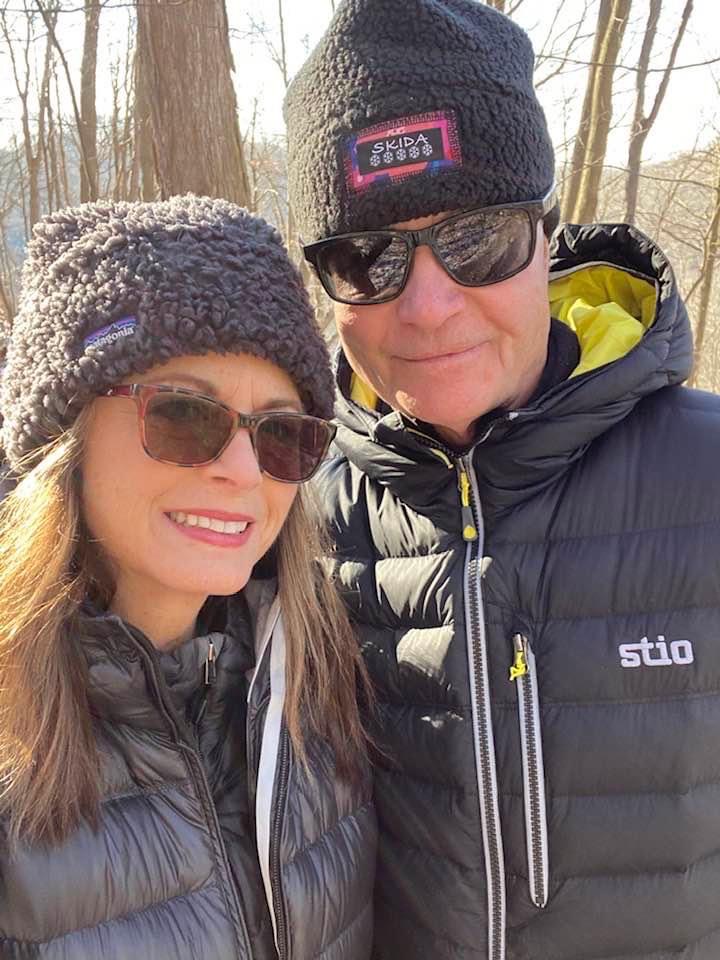
The Operative Word is…..” Yes.”

Winter Hike with the Bride.

You know, last time I referred to a saying in my post that goes like this. ” You don’t quit skiing because you get old, you get old because you quit skiing.” You could really plug in any activity there. ” You don’t quit golf because you get old, you get old because you quit golf.” Really any activity you could plug in there and the lesson is still valid. I remember talking to Scot Nichol of Ibis Bikes one time and asked how long he thought we could ski and mountain bike like we do, and his answer is one that I always reference and think about. Scot says” Don’t even think about it Pat. Just keep doing it.” So true. Whenever you ask any older person what keeps them going they always say………” keep moving.”

So, the other night Jan and I were out to dinner and we ran into some folks that we knew. Had a nice conversation and the question came up whether we were still skiing. We said “of course” and they kind of chuckled when I asked them if they still skied, and they sadly said no. They said they thought they were getting too old and they didn’t want to get hurt at their age. The saying above immediately came to my mind but I didn’t verbalize it. I just left things go and Janet and I left the restaurant thinking that our path in life is a pretty good one. We are blessed for sure and we keep moving. When someone wants to do something, we just say “yes.” It is just the two of us now and we tell people all the time that we are flexible and can make some spur of the moment decisions.

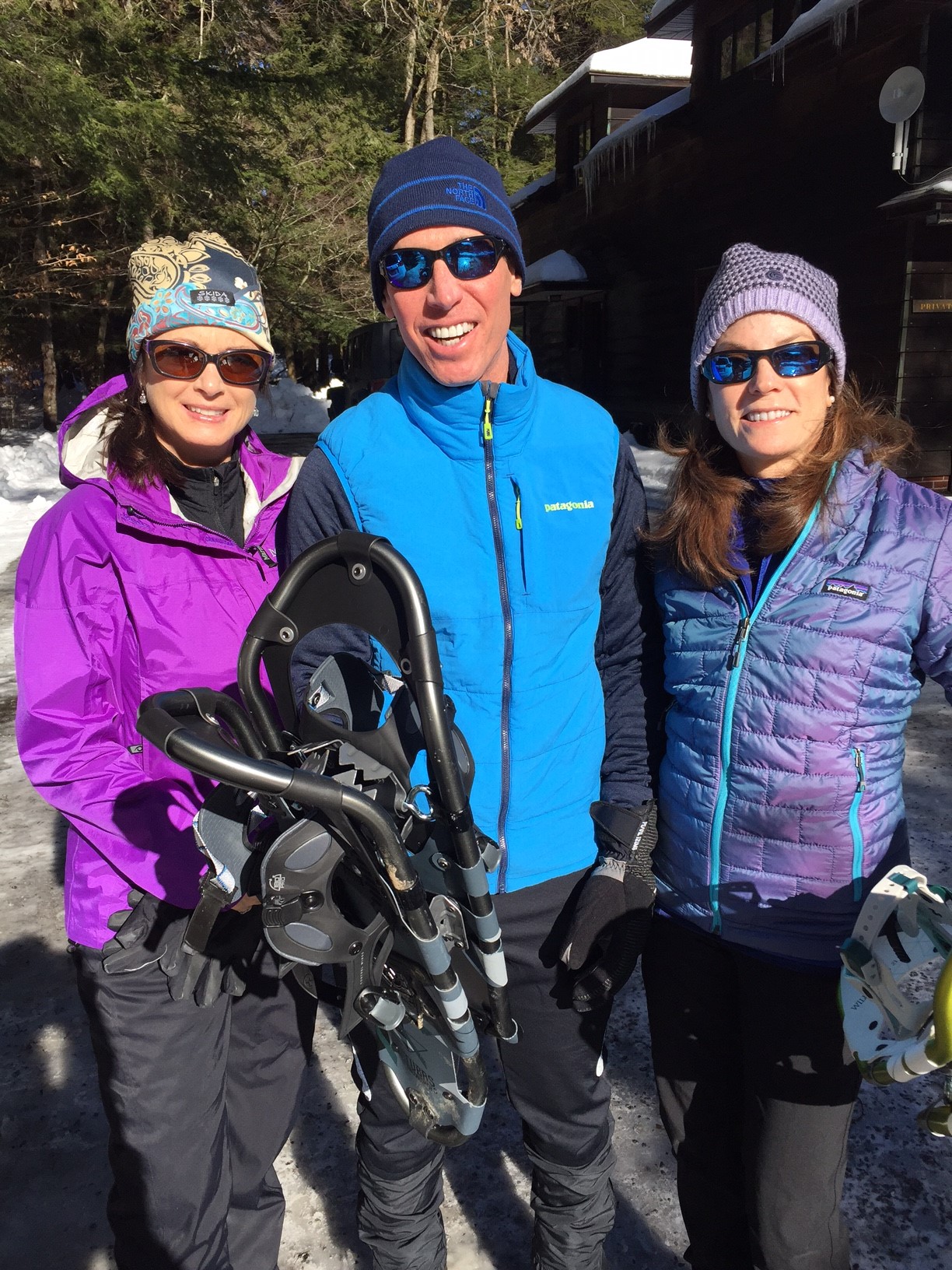
The Smittys. Our skiing and snowshoeing pals.
Lifelong friends- The Birsics

Soon we will be heading west to ski with our pals from Philly – the Smiths, and our local Park City resident friends, the Birsics, on what has become an annual affair at Deer Valley. We all comment on how there are fewer and fewer of us who still ski together and how important it is to keep going. The days and years go so quickly now that the operative word ” yes” is even more important. We will also ski this winter out in Bend with our friends, the Chetlins, the Hutchinsons, and the Durfees. Jan and I are the common denominator on this trip introducing our friends the Chetlins to our other skiing pals- the Durfs and the Hutch’s. We really like making introductions like this so that new adventures can be shared with some new friends. So important to keep like minded couples together doing things well into our older years. We met the Hutchinsons through the Durfees and now the Hutchinsons and the Durfees will meet the Chetlins through us. Kind of a cool dynamic with active couples who keep doing things together.

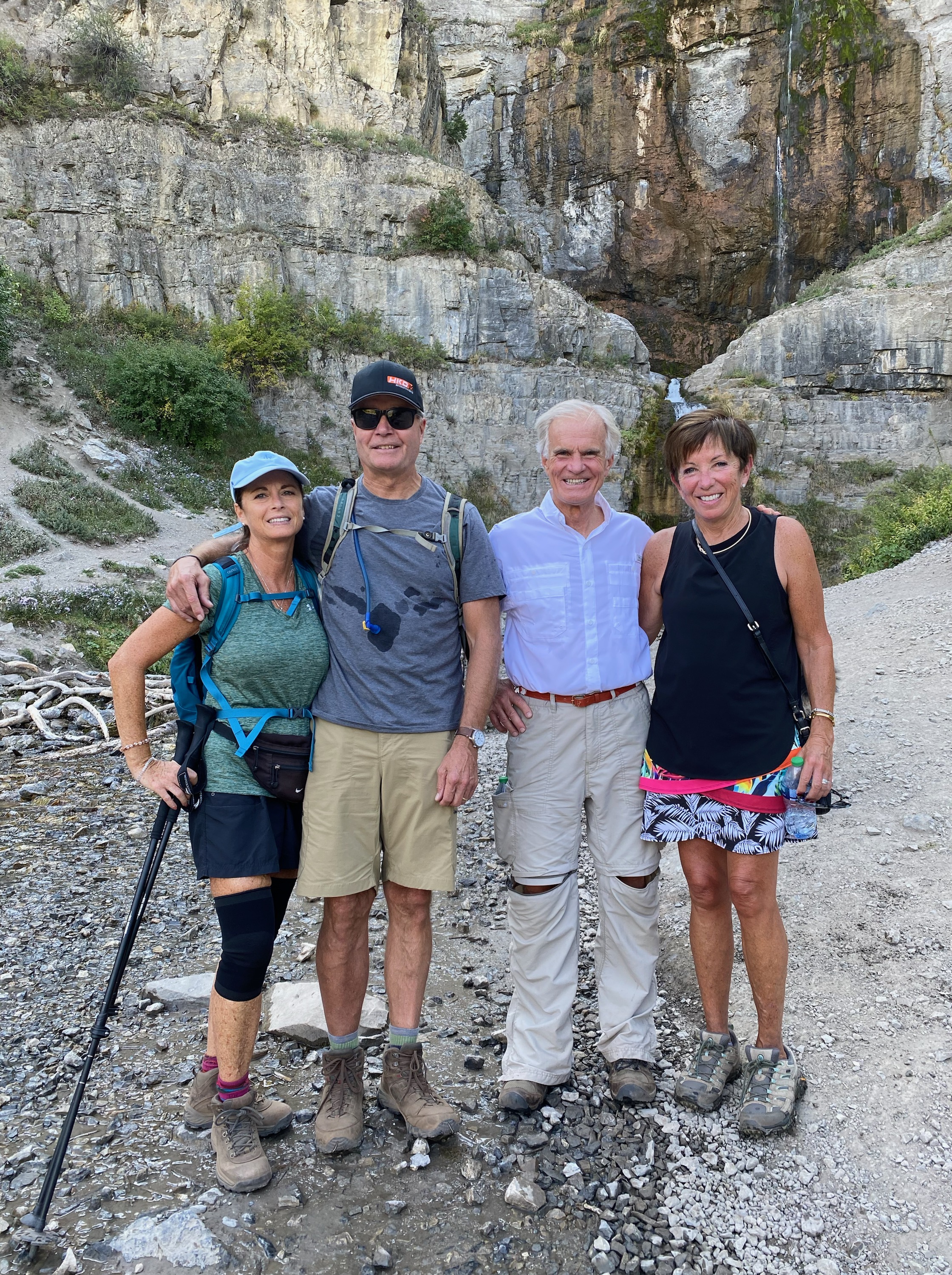
Julie and Jeff Chetlin hiking at Laurel Mountain.
Lifelong friends the Durfees from Lake Tahoe.
Vermonters Mark and Nancy Hutchinson hiking in their beloved Green Mountains.

So I guess the point of this virtual Venn diagram is to point out that as we age, we need to keep active and keep friendships going. It takes work, as we all know, to schedule things with friends. But it is so important. Time flies so fast and if you don’t keep in touch, the years fly by and your friends become nothing more than a memory. This year, Jan and I will also start taking some bucket list trips that we have the time to do now. We don’t want it to get to the point where we said, ” we really should have gone here and there and now it is too late.” Do things with your friends, schedule trips with your friends, do the bucket list trips, and make the operative word” yes” part of your senior vocabulary. Thanks for reading.

Overcoming Adversity With A Smile

Recently I have been thinking about how things can change in life. How circumstances can alter your course. I was thinking about my days back at Allegheny College and how I was almost oblivious to what could have happened. I was on the young side of the Vietnam generation but if that war had continued on for one more year, I may have been plucked out of Meadville and sent to destinations unknown in the far east. I had a #11 draft number and although the war was over, we still had to register. But it was not until many years later that I thought about what might have happened had the war continued. I have a lot of respect for the men who enlisted or were drafted into service and still do today. I also have a lot of respect for the wounded warriors who forge on in life even after life altering events.

Fast forward, I had the opportunity to meet some of the members of the U.S Disabled Ski Team a number of years ago at an event sponsored by Harmarville Rehabilitation. Several of these highly skilled skiers had injuries as a result of motorcycle accidents and other assorted catastrophic incidents. But many of these skiers were former U.S Military servicemen who had lost limbs as a result of I.E.D attacks in Iraq and Afghanistan. Paralysis and or missing limbs did not keep these guys from pursuing athletic achievement and it was never so evident as that day when their skills were on display.

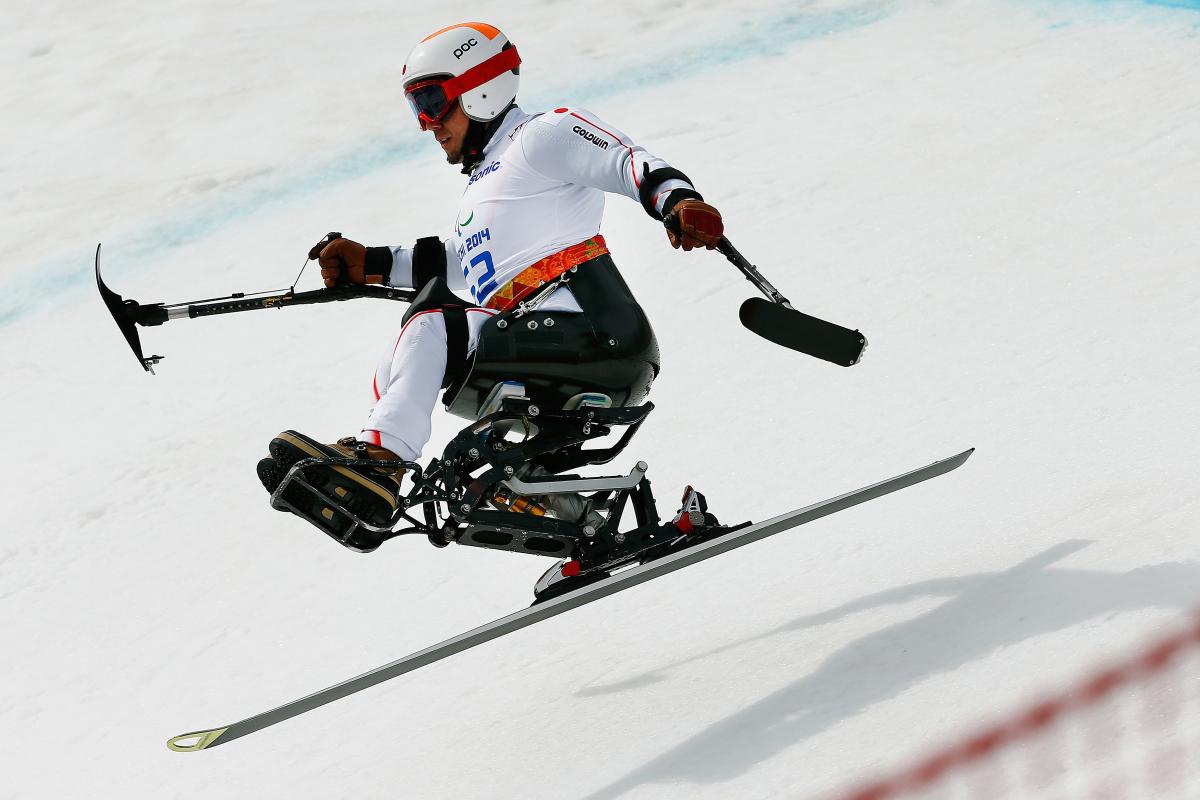
The equipment that was used varied from outrigger ski poles as seen in the photo above to sleds that housed the skier with one ski attached to the bottom of the sled with a motorcycle shock. It was amazing to see these guys ski and also self-load on the chair lift. They needed no assistance as they unlocked the shock, hunched up when the chair came behind them and then attached a safety carabiner and safety cable to the chair lift on the way up. Truthfully, they can ski with anyone and their skill was amazing.

Skier competing at the Para Olympic Games

Lunchtime was a real visual as I sat and talked with these guys as they removed their prostheses and set them aside. Ski boots with the prostheses inserted covered with ski area stickers was actually kind of amusing. It showed the relaxed attitude that enabled them to understand their condition,yet continue to strive to ski better with confidence. Several of the ski team members had competed in the Para Winter Olympics and other international ski races for the disabled. They were a great inspiration that day not only to the general skiing public, but also to a group of visually impaired skiers that I had with me. I will never forget one of the ski team guys asking me to show him how to guide a blind skier. After about an hour session, he asked if he could guide one of the visually impaired skiers and we selected a guy who was not only blind but a paraplegic as well. To see the U.S Disabled Ski Team member in his sled, guiding a blind skier in his sled, stopped many onlookers in their tracks. The two sleds made their way down the mountain and it was truly a spectacle. The guys had the opportunity to guide several other visually impaired skiers and at the end of the day, I was totally blown away by what had happened and the success of the day with Harmarville Rehab. Visually impaired skiers, skiers with one ski and outriggers, skiers with sleds and outriggers, truly a heartwarming event.

I spent 34 years with visually impaired skiers and believe me when I tell you, I got more out of it than they did. These people are truly remarkable and their “can do” attitude should be a lesson to all of us. The guys in the sleds that day were inspirational as well and every time I see a disabled skier on the slopes in my ski travels, I make a point to talk to them and encourage them to show the rest of us how positivity can win the day. An uplifting message to all of us. Thanks for reading and think snow!!

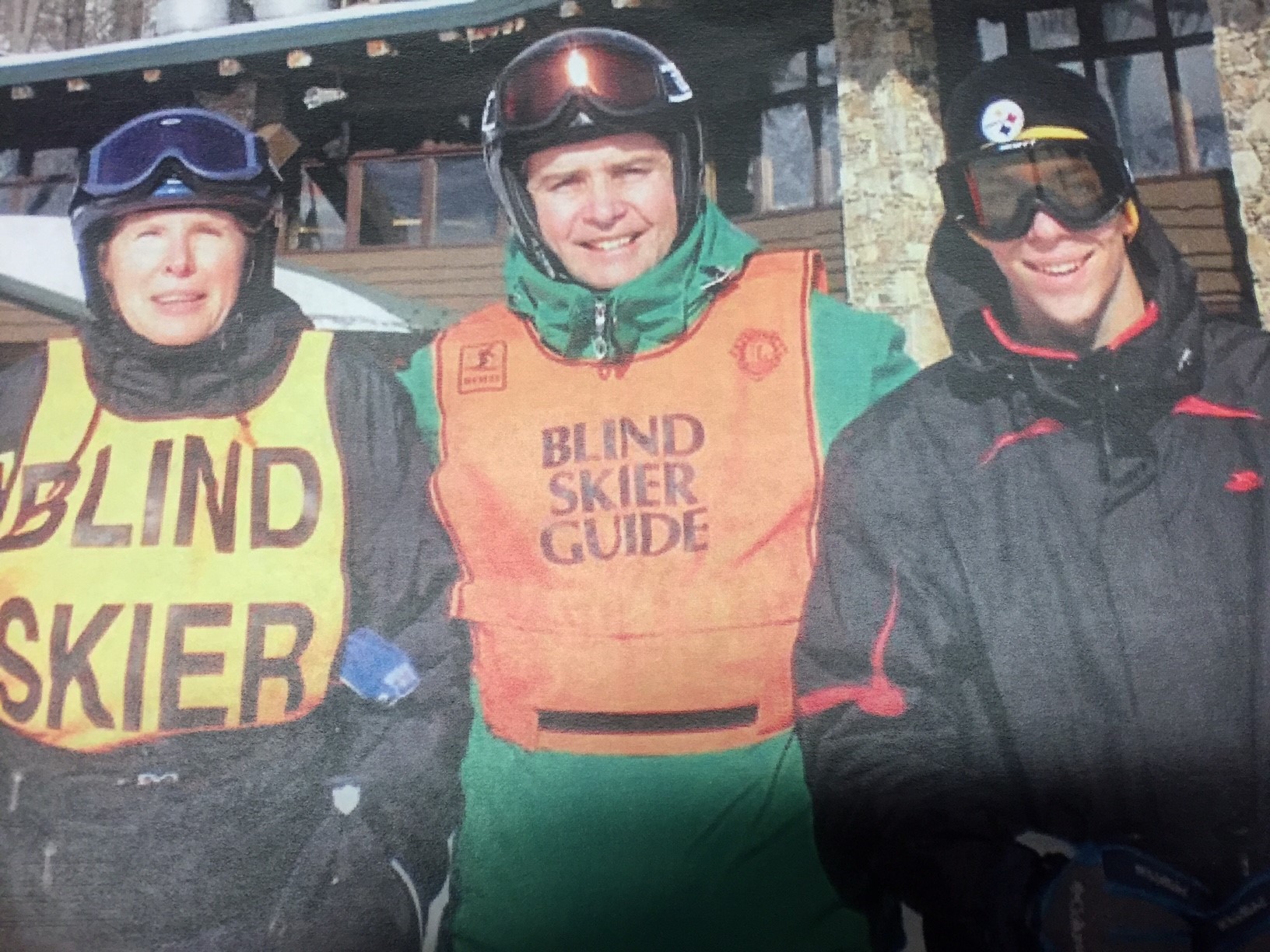
Skier extraordinaire Nancy Leverett on the left with me and my nephew Richard- who was truly amazed by what he saw.
The National Blind Skiing Championships many years ago with Fred Siget and Tom Burgunder.

How To Not Check the Box

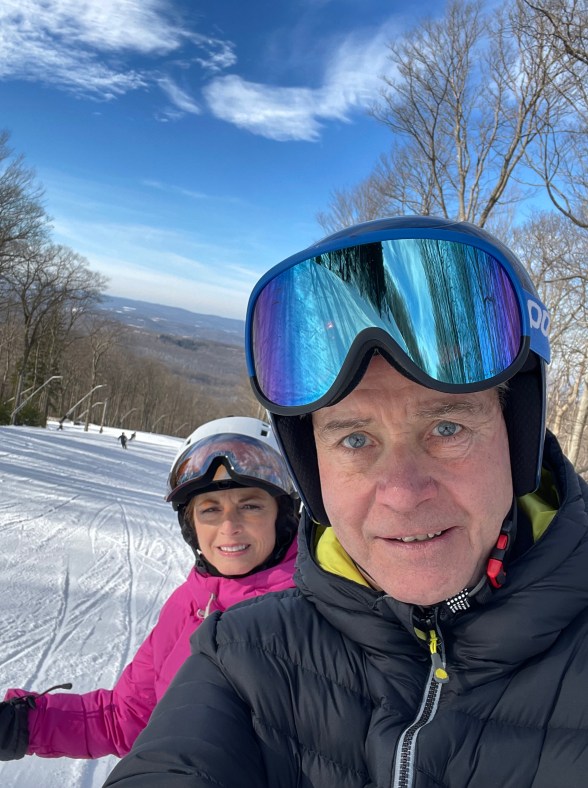
Nice day at Laurel Mountain

So, the other day, the sun was shining on a bright winter landscape and Jan and I decided to take off and head for Laurel Mountain State Park Ski Area- our local area. Not everything was open, but the point was to try Jan’s new boots and get some turns in for her in a relaxed, lowkey setting. There was lots of snow on the mountain, not too many people, and just a nice, relaxed way to spend a weekday during the holidays. You see, the older I get, the more I start to realize that every day is a gift. I have this tendency to check the box with things like days of skiing, trips out west, days of exercise, places to go, plans to achieve, basically a lot of checking the box over my years just to say- been there and done that. Not the best way to move through life.

Don’t get me wrong- you have to plan things to get them done, but for the most part I am learning as I get older to enjoy each day as it comes. You just don’t have to check the box on everything. Working from home has taught me a lot over the last two years and most of it has been to look at each day as one of its own and don’t worry about tomorrow. Enjoy what we have each day and that includes our beautiful parks, the Laurel Mountains, and most of all each other. Our son Jack is out of town now and so basically it is Janet and me together forging our way through this world. And that’s ok.

Enjoy your friends for life. Dixon, Melissa and Jaime.

Driving through Ligonier and taking in the horse farms along the way, I remarked to Jan that this is part of the experience for us now. Learning to take things in, enjoy drives, look at the scenery and in short- make the most of the day. Looking out over the Ligonier Valley from the top of Laurel Mountain is relaxing. Yeah- it is not the same as the views in Utah or the west but for an hour and a half from our house, I will take it. I love the Laurels and if you take the time to enjoy them, you can appreciate what you have right here in Western Pa. I looked at Jan making her turns and enjoying her new equipment and was not counting the vertical or the number of runs we made. It was an opportunity to be together and that included the drive up, the ski day, and an apres’ ski beverage in the Wildcat Lounge at the ski area.

I used to plan everything, and if the plan was sidetracked somehow, it made me nervous. But I am learning to go with the flow as I get older and take things in stride. For instance, I don’t have to keep up with people who are faster than me on the bike. I am 68 years old and want to enjoy the time spent in the outdoors and the scenery and not have to be in anaerobic debt looking at the guy’s shorts in front of me. I haven’t given up. I just slow it down a bit recognizing that there are more important things to understand. If I can go to an event, great. If I miss it for some reason, I don’t beat myself up. If I get a day on the slopes or the bike, that is great. I enjoy it and don’t ruin it by trying to get the most runs for the day or the most mileage on the trails. Enjoy it as it comes.

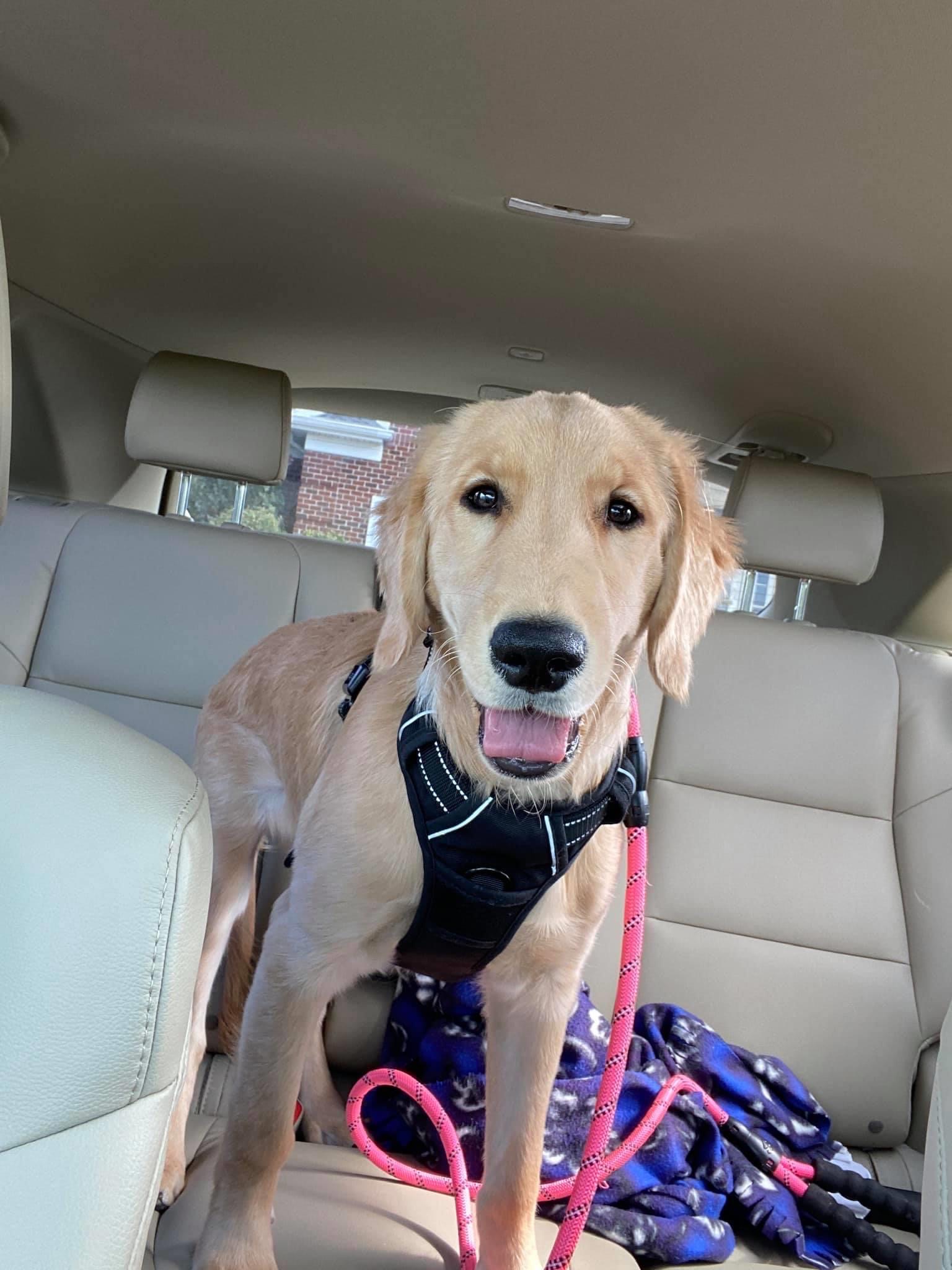
Our son Jack made it home for the Christmas and it was so good to see him. He and his girlfriend Marisa and their dog River spent a lot of time here and it was nice just hanging around with them despite the bitter cold outside. We went for walks, had some nice meals together and in general, we tried to enjoy each day with them and tried not to plan too much. It worked out great and they made it safely in and out and back to Grand Rapids. I even enjoyed their dog River even though I am not much of a dog guy.

The very rambunctious River
Marisa and Jack
The Ligonier Valley

So, the point of all of this is that in 2023, we all should make an effort to stay active or get active. The old saying goes that you don’t quit skiing because you get old, you get old because you quit skiing. Insert any activity and the truth is still there. But be willing to enjoy the experience and not just check the box. Take in the outdoors, enjoy your family and friends, and slow down so you don’t miss anything along the way. I am a slow learner. That comes with the territory when you are a Type “A”. But I am indeed learning. Thanks for reading and think snow!

“Therefore do not worry about tomorrow, for tomorrow will worry about itself.”

-Matthew 6:34