
The People Builder

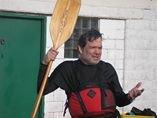
Charles MartinCharles MartinCharles Martin Our former pastor at our church used to say that there were two kinds of people in this world. Drainers- those who would absolutely suck the life out of you with their needy attitude and desperate conversations. You would try to help, but the drainers in life won’t listen and seem to wallow in their misfortunes and pass on the misery in heaps to anyone with a sympathetic ear. They drain the life out of you to the point where you are exhausted in trying to help. Then there are the people builders- those folks who always have a smile on their face, volunteer to help you, listen to you, be a friend, encourage you, and in general, build you up in the modern day troubled world. Charlie Martin was a people builder.

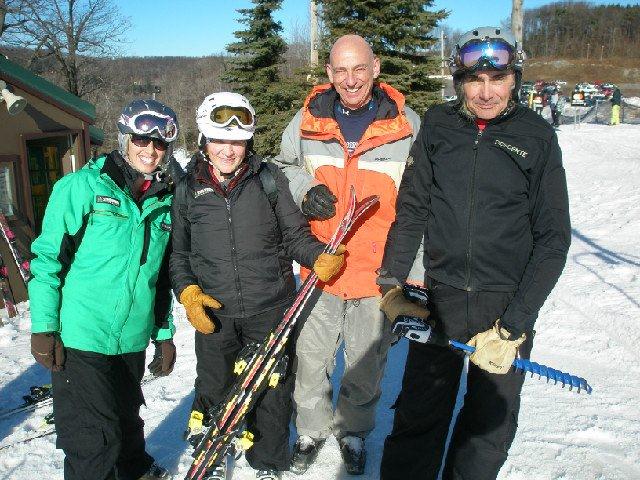
I first met Charlie through the Ski School at Seven Springs Resort. Charlie was always involved in a lot of outdoor activities but he really sunk his teeth into skiing and wanted to be the best teacher he could be. His people building attitude was apparent in his thirst to share his enthsiasm and knowledge to his students. Charlie taught people to do a lot of things but ski instruction was how I first came across this really bright and enthusiastic man. The process to be a ski instructor is not an easy one,especially if you take the time and effort to become certified under the PSIA( Professional Ski Instructors of America). A lot of guys who teach skiing don’t make the effort to get educated and simply are a warm body in a ski school jacket. Not Charlie. He and Art Bonavoglia worked hard to get their Level II pins and then had the vision and the quest to pursue the highest certification- that of being a Level III instructor. Charlie and Art would go to the Castkills and take private tutoring from Mermer Blakeslee who was a PSIA Examiner. They not only attended the regular update clinics and specialty clinics offered by the organization, but were so enthused that they pursued this private instruction from one of the best in the business. This was not unusual behavior for Charlie. Once he made up his mind to do something, he did it and pursued it with a passion.

I saw Charlie a few years ago at our church with a guitar in his hand and discovered that one of his many volunteer activities was to be a part of the student ministry at the church. His infectious smile and really great sense of humor not only showed through in his singing and playing, but his attention to students and people in general at the church was exemplary. It could be a horrible weather day coming into church, but Charlie was always there greeting people with that big bearded smile and making them feel that they were the most special person attending the service that day.

I was not as close to Charlie as Art and some of the other guys in church and in the ski school, but I thought enough of him that when he had a stroke a little while ago, I made it my business to dash into Allegheny General Hospital to see him. Not out of any obligated reason but because a guy like Charlie who gave so much of his life to others, would perhaps appreciate someone coming into see him and building him up like he did for so many. When I came into his room, his twinkling eyes lit up and even though he had some paralysis and some speech issues, you could tell that he was locked into you with his attention. We conversed as if nothing was wrong and I told him that a guy like him would make a full recovery and his wife Colleen concurred in her strong positive way. Charlie walked me to the door and even though he could not talk, our eyes met and I knew he was on his way to recovery. What a shock when I found out that he had died a couple of days later.

Looking at Charlie that day and all through his life, it was apparent that he knew where he was going in life and in the life beyond. When you smile like that and give yourself unconditionally to people, you know the source of your salvation and you spread that good news to all that come into your path. Charlie was a kidder. Tim Sweeney told me the other day that he came to the church for Charlie’s funeral but the receptionist at the church said he was a week early. Tim said he laughed on the way out because Charlie had got him again with one of his pranks. You could just see him up there laughing down at Tim saying………….gotcha!!! Big bearded smile!!!

People like Charlie Martin are a rare breed. Not many folks would pursue a passion like Charlie. He loved life and all that it had to offer. He loved people and encouraged them to take up new sports and activities and volunteered enthusiastically to get them involved. He always looked for advice and with me, he asked all the time about his skiing. It was disarming because when I would start to discuss the subject with him, his smile made me laugh and say,” No I am serious Charlie.” He knew I was but was anxious for my opinion and wanted me to know that he was having a lot of fun too.

Hopefully, you have come into contact with some people builders in your life. They make wonderful friends, confidants, they are fun to be with in outdoor pursuits, and most of all, you feel envigorated and encouraged and a better person for being with them and being their friend. Avoid the drainers. Look for guys like Charlie. He will always be remembered and will always be with us in many ways. Thanks for reading and think snow.
Be a little part of History

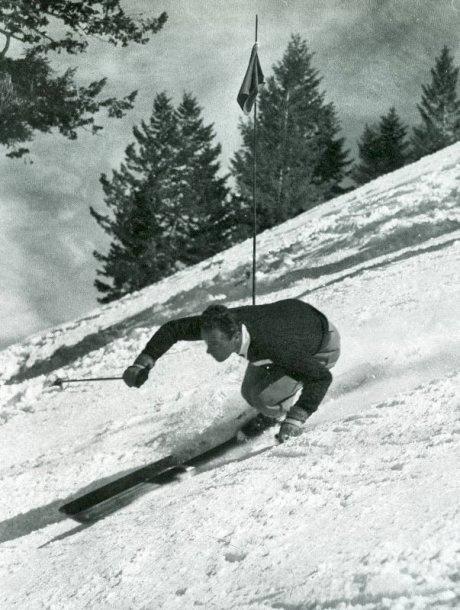
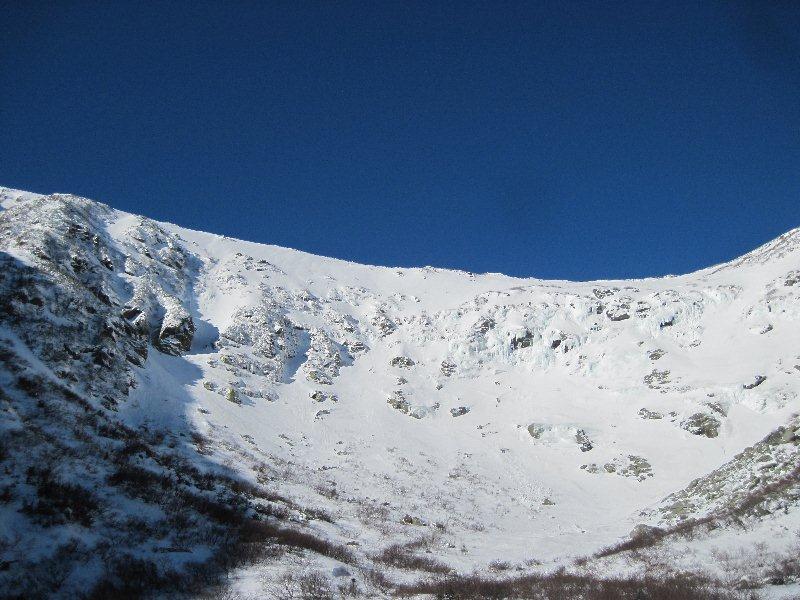
2013-02-05-the-bowlIMG_0084photophotoTannenbaum-T-barGoogle Image Result for http--theinvisibleagent.files.wordpress.com-2009-08-ski09toni_matt_at_tuckerman_ravine-193.jpgw=460&h=610Ellicottville-20130208-00088 Many years ago, I had the pleasure of hearing Toni Matt tell the story about his famous Inferno ski race down Tuckerman Ravine in 1939. Toni was born in St. Anton, Austria the hallowed ground of ski racing and ski instruction and when he came to America, he entered this famous race up in New Hampshire against all of the hotshot Dartmouth ski racers and won because he straightlined the Headwall of Tuckerman Ravine. This was a feat that had never been done let alone in a race and the National Ski Hall of Fame recorded the account on the evening that I heard Toni tell the tale. Interestingly, 1939 was a pivotal year in American skiing. Some of the first rope tows went up that year in Seven Springs, Pa. and Fish Hill up in Western New York state. All of this preceded by the first rope tow in Vermont in 1934 near Woodstock.   People were starting to get enthused about sliding on a pair of skis and the late 30s prior to the big war, were the seed years of skiing in this country. Post World War II, the 10th Mountain Division veterans founded some of the larger ski areas out west including Vail. There are several accounts written about the 10th and their exploits against the Nazis in Italy and how their adept skiing skills not only helped them in the battles in Europe but also fueled their passion to create modern day ski areas.

I have always liked history particularly the founding years of our country. But it is also interesting to look at the history of my favorite sport in America. If you ask anyone who plays golf, they can tell you about the famous courses and their history in this country. The Opens, the Masters, how they don’t take out the wooden floor in the men’s grill at Oakmont Country Club because the spike marks belonged to such luminaries as Ben Hogan, Arnold Palmer and Jack Nicklaus. If you have a passion for your sport, you know the history and appreciate the efforts of those who have gone before you. The old saying that “you don’t know where you are going if you don’t know where you have been”, applies to American History as well as the history of sport. I love looking at the old pictures of the wooden skis( I owned several pairs and skied on them as told in my last post.) I love seeing how the early days of stretch pants, leather boots, cable bindings shaped the sport and respect the passion of those who took the time and effort to market skiing.

I had the pleasure of skiing Holimont this past week up in Western New York. The private club was founded in 1962 and has been a haven to ski enthusiasts ever since. The members are avid skiers and racers, and take pride in their club. You can feel the passion of the members in the way that they meet each week with their crock pots, lunches in the lodge, promoting events that foster their love for the sport of skiing. They let non members like me ski during the week and it is quite evident that this club is well run with excellent grooming, lifts and dedicated instructors and patrollers who are eager to converse about skiing at Holimont.

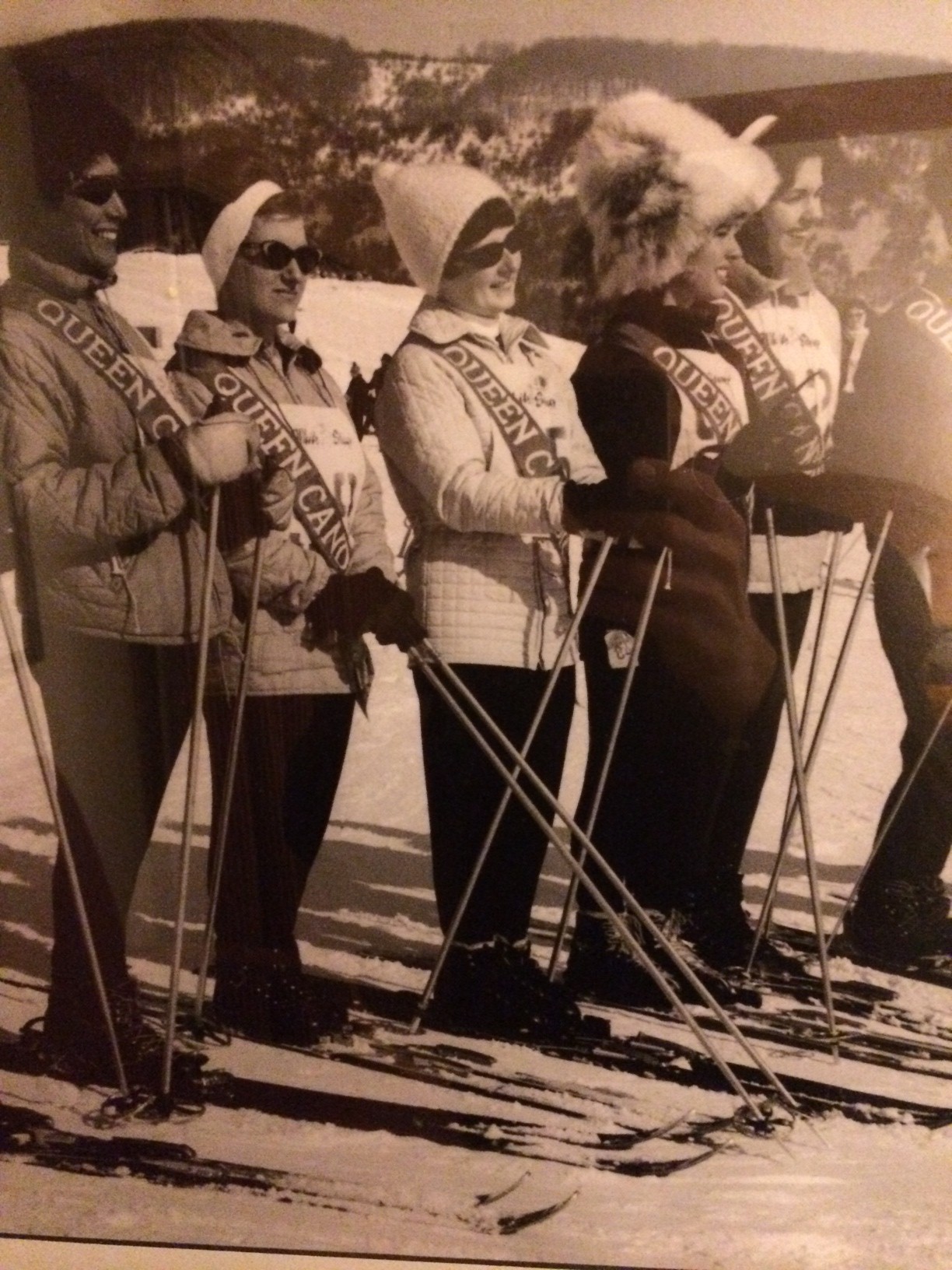
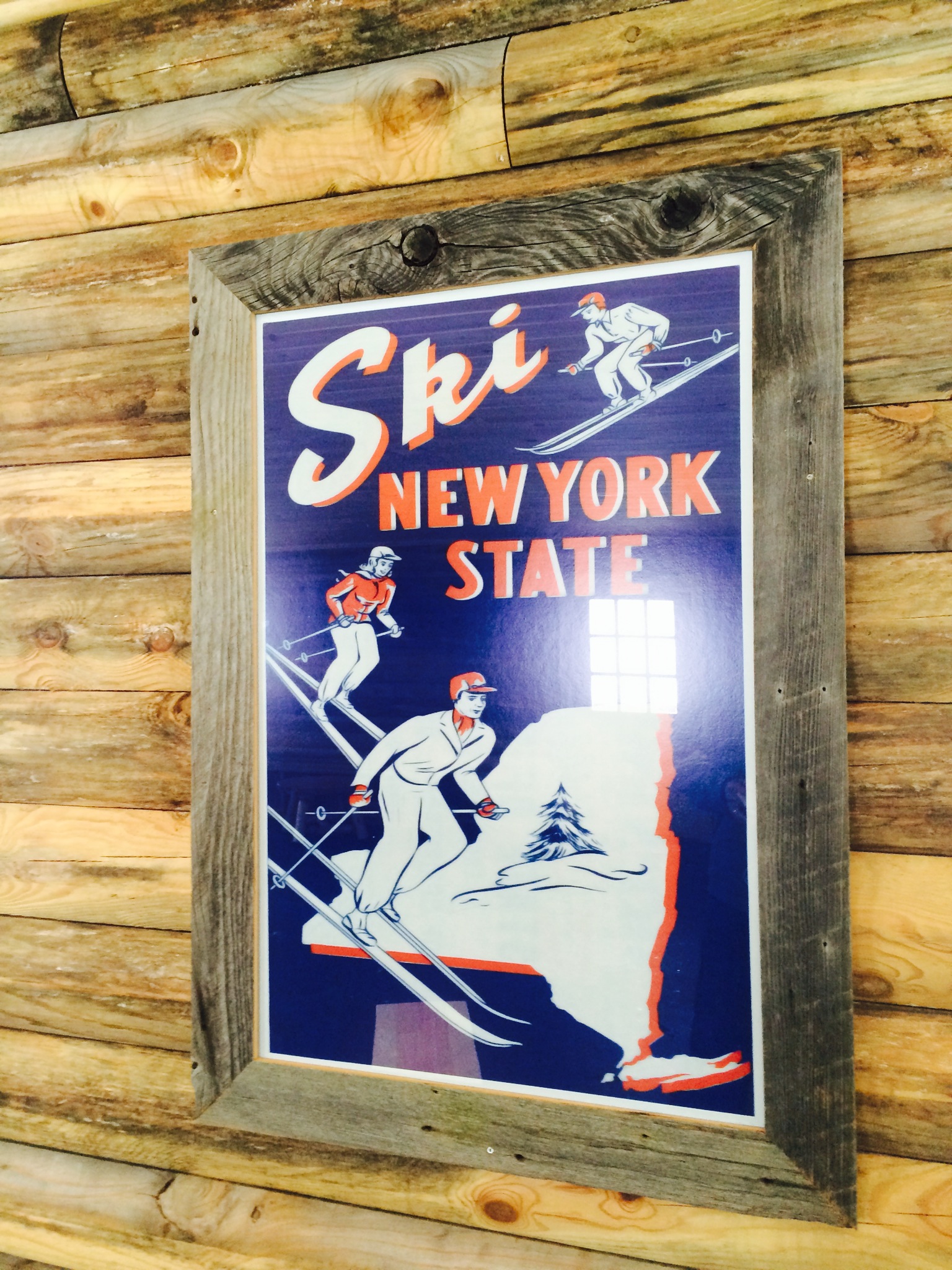
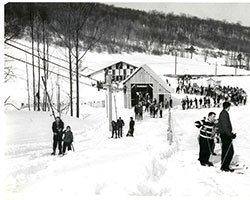
History has a great way of telling the story about those who had the vision to build a hunting lodge like Adolph Dupre did at Seven Springs here in Pa. How he built the rope tow for his customers out of an old truck engine, some truck wheels that served as the rotating wheels on the tow, and a heavy duty rope that he fashioned himself. These stories are inclusive of all of those startups in 1934- 1939 and if you look at the pictures above, you will see the history unfolded. Those Holiday Valley Queens were somebody’s girlfriend, wife or mother who told the story about the fun times that they had back in the early sixties with the snow carnivals. Don’t you just love that fur hat? Not quite sure what those guys were doing with the parachutes on their backs, but it looked like fun with their wooden skis and leather boots. Well, we have stories like that as well and I am sure that as the years go on, my wife and son and his family someday will see the old pictures of our skiing exploits. They will talk about our little bit of history on the slopes. If you have the passion for a sport, take pictures, talk it up to someone who would like to try, and encourage them to be a little part of history for someone down the road looking at how it was done. I think my ski outfits and equipment are pretty state of the art. But no doubt someone looking at them in the future will ask,” Wow- what does grampa have on his feet and what on earth is he wearing?” Hey, that old relic grampa will be a little part of ski history. Think snow and thanks for reading.

“The Sherpa”

photophotophotophotoGoogle Image Result for http--ngm.nationalgeographic.com-everest-img-gallery-31-sherpas-750x500 One of the things that you may have gathered from reading my blog posts is that I live in guilt ridden hell. Growing up Catholic among other things, I have always tried to keep the peace around my house and also keeping the peace on an everyday basis. I am not a confrontational person and usually I would rather inconvenience myself to get the job done, and make sure everyone is happy. That is why I call myself – “The Sherpa.”

If you look at the picture of the gentleman above with the huge pack and the smile on his face, you will see an actual Sherpa. This tribe of individuals is indiginous to the mountainous regions of the Tibetan Himalaya and they are hard working folks who haul all the gear, tents, luggage for alpine climbing expeditions in the Himalaya. I am sure you have seen and read about these individuals and their feats of strength always amazed me as they made it to the summits with those tremendous loads that they carry. I have always admired the Sherpas and have read a lot about them. In my Walter Mitty way, I am a Sherpa. Take skiing for instance. When I was first married, my wife Janet skied but I wanted to make sure that she always came with me so I took it upon myself to carry her boots and mine in a backback. I hauled her skis on my shoulders along with mine and often walked to the lodge loaded down with equipment. Not that she would not do it, but I wanted to minimize inconvenience. When Jack came along, I bought a bigger pack and loaded three pairs of boots in the pack and hauled three sets of skis on my shoulders and asked them timidly to take the poles. I took it upon myself to help them with their ski boots in the lodge or if we had the opportunity to park near the trail head, I would help them put the boots on kneeling on the frozen ground to minimize any inconvenience or possible complaints due to the definite “pain in the ass factor”of skiing. The sport can be tedious at times schlepping all of the gear in the cold, getting everyone ready with the usual litany of making sure that we had all of the equipment. I was the equipment manager as well as the Sherpa and it worked out well even though I was sweating like a wild man before I took my first turn- even in arctic conditions.

Sometimes, my nieces and nephews would come along and the process became a little more involved with more Himalayan quality schlepps to the slopes. But the smiles were worth it and if there was any inconvenience experienced, I took care of it. Like when my son wanted me to take his socks off because he didn’t like them in the ski boots. I stopped where I was, got down on my hands and knees and took the socks off and he skied the rest of his day with bare feet in the boots. Taking the boots off at the end of the day, they were steaming like a cooling tower at a power plant. Amazing about kids but whatever it took for comfort, that was my motto.

Perhaps the ultimate Sherpa experience besides my family ski outings was the time that I had 13 visually impaired skiers to look after at the National Blind Skiing Championships( read about it in my post-February 17th,2013) I took two of our guys with me but because of weather and a lack of volunteers, I was put in charge of 13 competitors. Congo lines to dinner and the slopes were the norm and my Sherpa skills were sharpened by hauling all of their equipment to the slopes and making sure that I had it all in the van at the end of the day. All of this in below zero temps in the Upper Peninsula of Michigan.

Sherpa family experiences did not take a hiatus in the summer. Hauling beach chairs, umbrellas, pack and plays, coolers, and all sorts of beach toys became a ritual in the early days of the McCloskeys at the beach. Things are a little better now that Jack is grown but the guilt ridden hell still pervades as I haul all of it into the garage after a trip just like in the old days.

One thing you learn being an aspiring Sherpa is that you get used to frozen fingers, bloody knuckles, balancing unwieldy loads, and doing it all with a positive, ” ain’t this great to be out here” attitude. My family likes to do the things that I do to an extent. But they are not as maniacal about the outdoor pursuits as I am. So I have always taken that into consideration as I try to make these outings as pleasant as possible. I am sure many of you have had similar experiences with getting the kids to the mountains or the beach. But I will tell you one thing, every loaded up day on my back was well worth the smiles of my family. Being a Sherpa has been well worth the while. Someday, it will probably be round two with grandchildren. I am hoping the back holds out. Otherwise, I may have to go to the Tengboche Monastary for some guidance by the Tibetan monks to encourage me to keep hauling and keep smiling. Thanks for reading.

Slicing the White Carpet

Franklin Park-20130307-00105makingcorduroy_es12800px-Stok_narciarski_w_Przemy%C5%9Blu_-_Ratrak Skiing is an easy sport to learn. I know a lot of people who have said to me that they would like to learn but are either afraid, or believe that they are too clumsy, uncoordinated, or too old to learn. My response to them is that they should allow me to teach them because I have taught visually impaired skiers for 34 years and “if I can get them to ski, surely I can teach you”. We have a good chuckle about that but the truth of the matter is that……it is the truth. Skiing is not a hard sport to learn and I would encourage anyone who wants to ski to take a lesson and do it right. The Polar Vortex has set the stage for a good winter and now is the time to experience the thrill of skiing if you have the notion to do so.

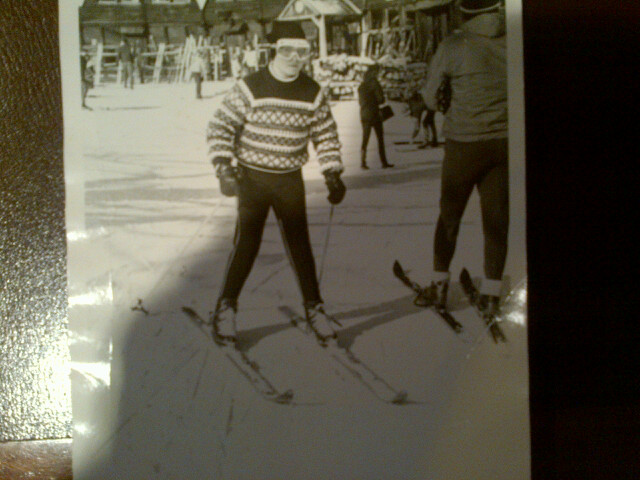
Skiing was not always as easy as it is today. If you look at the picture of me as a young lad above, you will see wooden skis, cable bindings, and double lace boots. The edges on these skis were not very sharp and snowmaking had not yet been developed to any great extent, so we had to rely on natural snow which eventually turned to icy conditions here in the east. Skiing on this equipment was survival and the technique was basically to try to up unweight and get the skis across the fall line the best way we could. Lots of skidding on the icy conditions and not much support with the leather boots. But we didn’t know any better and loved getting out on the snow even if we had to make the best of conditions and survive multiple crashes and spills. As equipment developed, metal skis and plastic rigid boots became the norm and the turns became more stylish and control was becoming a reality. Edges were sharp, control on the ice became better and the elementary beginnings of carved turns were starting to be seen on the slopes.

Fast forward to today and you see shaped skis which are a lot shorter than the ones that we used back in the day. The nice thing about a ski with shape is that the tip is wide and the tail is wide and the waist of the ski is more narrow allowing the ski to be tipped on edge facilitating an easy turn to the right or the left when pressured by flexed ankles. In the beginner area, you can see real progress with this new equipment because it is easier to control and the equipment makes it a breeze to execute beginner moves on the slopes. People make real progress with today’s equipment and make their way to more advanced trails and slopes because of this new technology.

Take a look at the snow groomers above. That technology along with snowmaking has made the sport of skiing even easier to learn. Each evening, the grooming crew take these machines and make white carpets out of bumpy, icy slopes. The hydraulic tillers on the back of the tracked vehicles break up ice, moguls, and other imperfections on the trail. The end result is what skiers refer to as corduroy which you see in the above picture. This is great for beginners on trails and for intermediate skiers on intermediate trails. But as much as experienced skiers love the challenges of powder, steep chutes, and skiing in the trees, there is something about facing a slope early in the morning that has been groomed to perfection. For those who have mastered the art of a carved turn, this sight is appealing in that the skier pushes off with his/her poles, flexes his/her ankles in his/her boots, and tips the edges towards the new turn. When you move your center of mass towards the new turn and slice the ski edges from tip to tail in the radius of the turn that you choose, the arc that is formed in the snow is putting a slice in that nice white carpet. Good skiers can feel the pressured ski slicing those turns and know when any skidding occurs resulting in a determination and concentration to make the following turns perectly carved. If it weren’t for the expensive grooming equipment, and the shape of the skis, and the confident forward postition of the skier, slicing the white carpet might not be possible. Good skiers can feel when a ski carves perfectly and today’s equipment is so good compared to equipment from yesterday, that everyone has a chance to move up one level in their skiing.

The reason that I have gone into detail of the ski turn is to encourage those of you who have not tried skiing to give it a go. Winter is wonderful and there are a lot of options in outdoor winter activity. But in my mind, there is nothing quite like waking on a winter morning, having a good breakfast, taking in a picturesque view of the mountains, and launching into a series of great turns on the white carpet. Whether you are a beginner making wedge turns, an intermdeiate skidding in a wide track parallel stance, or a racer carving it up on the carpet, the thrill is the same. Skiing is an exhilarating sport and anyone who is reasonably athletic can be a proficient skier in a reasonable amount of time. Take a lesson and learn the right way. But make the effort, you will not be disappointed. Thank you for reading and think snow.

Old Friends – Familiar Haunts

photophotophotophotophoto Vail, Colorado was the very first major ski area I ever visited. Way back in high school, there was a trip and I was excited to ski the west. My dad thought it was great and that if I wanted to go, I should save my money that I was earning and put it towards the trip. Great gem of advice from my dad as usual. As a young teenager, it was exciting to get on a plane to Denver and take a bus with my friends to what I thought was heaven on earth, or so it was told to me. Rocky Mountain National Forest, Buffalo Bill’s Grave, the buffalo herd, the space like house that was used in Woody Allen’s movie “Sleeper” were all visible for the first time from the interstate and going over Loveland Pass( or through it- I forget if the tunnel was open at that time) and eventually up and down Vail pass was intoxicating. When you see the lights of Vail for the first time, it almost seems magical to a young guy and as we piled our gear into overcrowded Vail Village Inn, we hardly slept in anticipation of what would be a memorable week of skiing and sunshine.

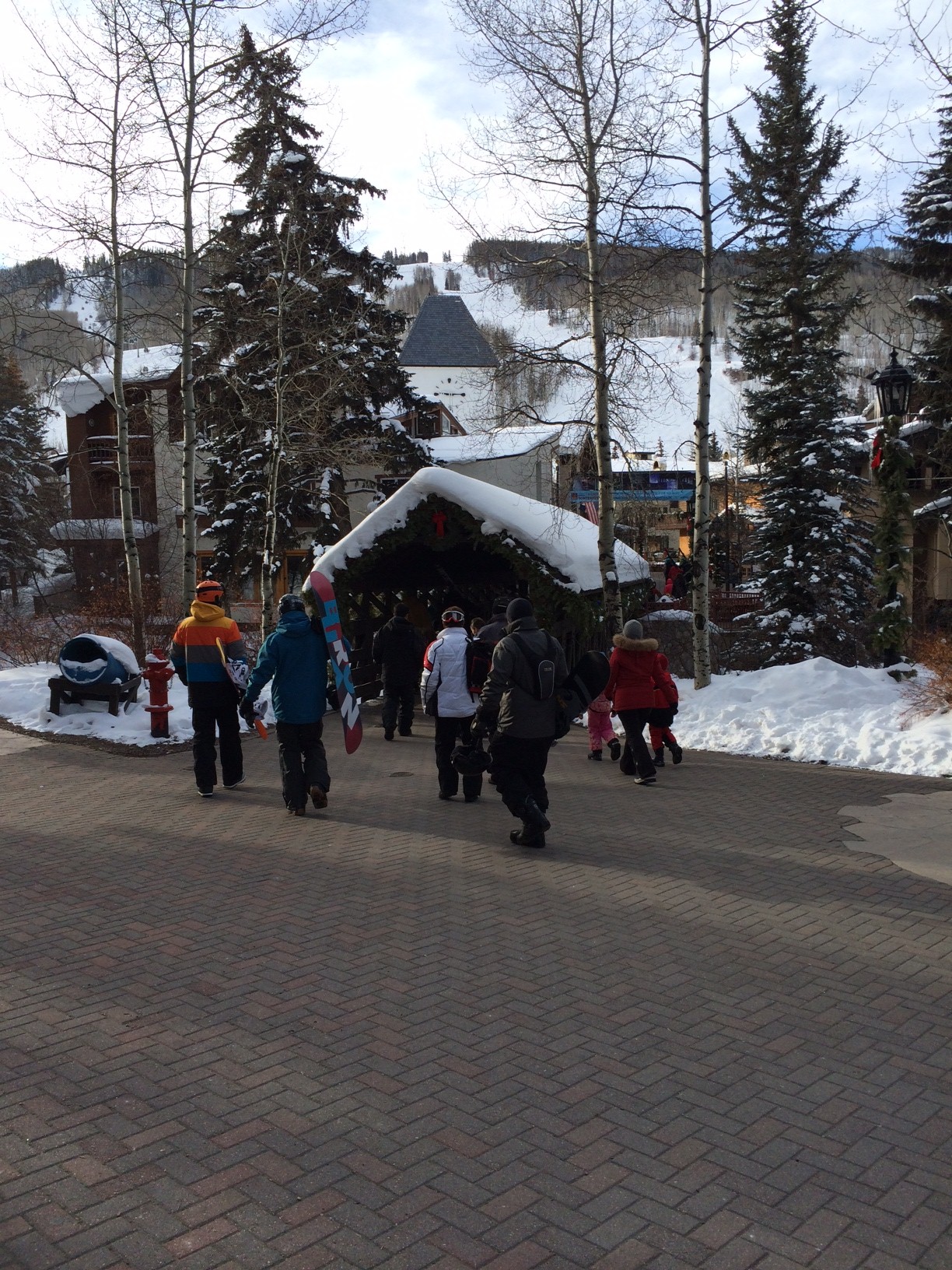
Many years have passed and many miles skied at Vail over the years. But the sight of the clock tower and the bridge, and the walk through town in anticipation of taking the gondola to mid Vail and rushing to the other side before any crowds come is an experience that never grows old. Like my friends in the picture above. They never get old either. Art Bonavoglia, in the red jacket, is my friend for years. We have cycled together and skied together and now at 62, he is spending his third season teaching in arguably the best snowsports school in the world in Vail. Skiing a big mountain every day can do a lot for your personal skiing and although Art works hard and spends countless hours teaching, he has the ability to free ski and work with really quality trainers at Vail. You can tell by his skiing that he is taking this very seriously and is also in great shape in order to execute high level turns. You can’t get into ski shape by just skiing. You need to take the time and effort to hit the gym, run trails, ride a bike, and do whatever it takes to get aerobically, and physicaly strong. Lots of people don’t make the effort as they get older and they pay for it on the mountain.

One guy who makes that effort is Bart Raitano (the guy with the cool shades and the white jacket). Bart is ageless because he pays attention to what he eats, and is faithful on his pre-season gym time. Once the season starts, he is ready to make those beautiful turns of his and he does it over 100 days a year. Bart lives in Vail in the winter and I am lucky enough to visit him. We have been friends for years and it is comforting to know that even though Bart is older than Art and me, he can still ski exceptionally well which gives us the inspiration to keep on training and skiing because it is a sport that we can do for a long time.

Even though I know Vail pretty well, it is a great bonus to ski with guys like Art and Bart who know the mountain really well because they are locals. They know what lifts get crowded first, they know where the groomers have been, so when you ski with these guys, they pretty much set the schedule and the slope selection and we all let it rip all day long. We all have taught skiing for many years so we have a lot of interesing talks on the chair lift about technique- what works and what doesn’t( no matter what PSIA says :). We discuss the latest equipment and why we ski what we ski. All of us are current on equipment and it helps when you are trying to stay in the game. There is nothing like a new pair of freshly waxed and tuned skis on perfect western conditions in a classic area and along with bright sunshine, we were truly experiencing heaven on earth this week together.

Vail is one of those resorts that continues to grow every year and caters to a very exclusive clientel. When you ski different areas, you will notice that some areas are rustic and family oriented. Some are old school with older lifts and grooming equipment. Some are hard core areas where the expert skier is king and ammenities like world class restaurants, spas, exclusive shops, are not a priority. Vail has it all really in that it has excellent skiing and if you want that European, shopping, spa and dining experience, Vail will not disappoint. Everything there is first class and even today, I still get that feeling driving down the Vail valley that I had on that first trip from high school. There is something very welcoming about Vail in that it gave me my first big mountain experience without any pressure. I was in awe of all of the shops, restaurants,and the town itself and am still amazed at how Vail re-invents itself every year. I will say that for a guy who is used to changing his boots in the parking lot( my father in law calls us trunk slammers), it was sure nice to go to Bart’s locker room in the middle of town where the coffee, energy bars, and hospitality are ever present. People know each other and get excited about their ski day in a very gentile way. Vail takes a lot of heat from the jaded skier who sees it as an expensive rip off catering to the wealthy people who can’t ski. That criticism is a little harsh and even though I am not in the league with a lot of the locals who call Vail home, I still feel welcomed by its warmth, charm and world class slopes and grooming. The Back Bowls and Blue Sky Basin aren’t too shabby either.

Short trip this time and driving out of there this morning I was a little nostalgic thinking about all the good times that I have had in that valley. Especially with these two guys who are now- locals. Lucky stiffs.

One little aside, I included a picture of a great book that every ski racer and skier alike should read. Edie Thys Morgan was a World Cup Downhiller and Super G racer for the U.S. She had the highest finish of any American in the Calgary Olympics with a 9th place in the Super G. This book records her experiences on the World Cup. She tells the reader in detail about the training, the personality conflicts, the harsh travel and weather, how hard it is to stay injury free and manage to compete at the highest level. How not to get caught in the “tuna nets” which are the nets on the side of the downhill courses that catch a racer who has made a mistake and crashes hard. This book is exceptionally well written and although the characters are fictional in name to protect the innocent, the circumstances are real and true to life. Go straight to Amazon and buy it. Trust me, you will be glad that you did and give Edie a good review too will ya? Thanks for reading and think snow.
So you want to be a ski instructor?

photophoto972bda288a6333b6c48ee41b975ddcb8 A lot of folks think that being a ski instructor is a glamourous life. You work in a beautiful, mountainous, picturesque venue. You are perpetually tanned, athletic looking, have the best ski gear and clothing, get the pick of all the pretty girls/guys in your lessons. You get invited to all the trendy parties in the ski area. Everyone adores you because you are a ski instructor. People believe that you are paid well and that you only work in the summer as a supplement to your glamourous job. For some ski instructors, especially in Europe, this may be somewhat true to life. But for most guys and gals working as a ski instructor, the glamour is not so apparent.

In the major ski areas in this country, being a ski instructor is a full time job. In Europe, it is not only a full time job in the winter but it is respected by the public whose protocol is to always take a lesson when they are vacationing in the ski area. Skiing is a way of life in Europe but in the U.S. if you tell anyone you are a ski instructor, most likely it will be seen as a profession that is done until one finds a real job. In recent years, the Professional Ski Instructors of America have done a great job promoting the professionalism of those who are members of their organization that go through the rigorous testing of the certification program. Most of the professionals who work full time in a ski area take their job seriously and are in it for the love of the sport. Yes, you can earn a living but you have to be dilligent and establish a clientele especially in the major areas where families return year after year. But most likely, you will have to at least have a summer job to supplement your winter pastime. So is being a ski instructor all that it is cracked up to be?

I only worked one year as a full time instructor. The rest of my years teaching skiing were part time through college and on weekends at my local area for many years. I can remember driving my mom’s old car to West Virginia for my first PSIA clinic at Canaan Valley and became a registered member. I then racked up hours teaching in Maine and eventually went to my certification exam at Killington,Vermont which I have spoken about in past blog posts. When I ended my full time teaching, I continued to teach on the weekends locally and maintain my certification status by taking the required updates every two years. Similar to most ski instructors in this country, ski teaching is done out of a love for the sport with not much financial benefit. Certification helps the pay rate and also one can get benefits from manufacturers by way of Pro pricing discounts. When you visit a participating PSIA ski area, they give you either a comp ticket or a discounted lift ticket. But for the most part, most ski instructors are part time,are working towards their certification, and the life is anything but glamourous. Many of us who have taught part time have spent countless hours in the beginner bowl teaching new skiers in all kinds of weather. Private lessons and group lessons at night, in brutal cold temperature conditions, rain storms, ice storms, blizzards , are all par for the course in being a ski instructor especially on the east coast. Most of us have done it again out of the love for the sport and the willingness to pass on our knowledge to those who pay for the lessons. What is the upside?

Although most ski instructors teach part time and do it for the love of skiing, there is that wonderful feeling that you have especially if you like to teach, when the student “gets it.” That smile on their face as they master a maneuver is priceless and to most of us, that is worth the cost of the lesson. Most people who take the time to teach, work towards their PSIA Certification,and do it with no great financial expectations. They reap other benefits that can be measured in the smile of the student. Full time instructors work hard and even though they may work in a world class area, their hours are long and the lessons taught all day are taxing. Working with advanced skiers is always a plus because you can refine technique instead of teaching a new person from the beginning with a lot of physical work. But in the end, whether you teach full time or teach part time, if your heart is not in it, you will not be successful. A lot of ski teachers wear the jacket but are not willing to put in the time to develop their skills as a ski instructor. They don’t last long because they are trying to get more out of ski teaching and reap the benefits without a real heart for teaching others. I can say that anyone who takes the time to get registered and go through the 3 part certification process through PSIA is a dedicated teacher.

I remember many days teaching in Maine after college where the temperature was -40 and we were expected to be at the line up. We taught in the brutal cold and kept a close eye on our students to see that they were not experiencing discomfort and frostbite. We took many breaks. I remember teaching many lessons in the rain but the amazing thing was the enthusiasm of the student/students who wanted to learn no matter what. I said to myself,” If they want to learn that bad in these conditions, they are going to get their moneys worth.” I often went overtime to make sure they felt that they had learned something and could take something valuable away with them. This was especially true when I worked with our skiers who were visually impaired. They were always anxious to learn and to experience the exhilaration of skiing no matter what the weather conditions were like. When you have students like these, it makes all the work, little pay, and adverse working conditions worth it because they appreciate the effort that you make and you can see the fruits of your labor.

Lots of people have a negative experience when they first ski because they go with a friend or a relative who have no teaching experience and put the new skier in precarious positions. They often get hurt or at the very least humiliated, and never return. I always encourage people to take a lesson when they first start because the instructor is trained in the proper way to teach the sport of skiing. When you do take a lesson, ask for a PSIA Certified instructor. You will always be assured that you are getting a teacher who has taken the time to learn technique properly and has made the effort to be a part of an organization that fosters learning in a true educational environment. So, do you want to be a ski instructor? I did it for 40 years. Must be something rewarding about it. Thanks for reading and “Think Snow.”

Determination – Ski The East

photo70_STE-SP-STEphotophoto I saw an interesting sticker on a guy’s helmet the other day that said,” Ski The East.” Being the inquisitive one that I am, I went on-line and found a really good website http://www.skitheeast.net The fellows that run this site are film makers who feature eastern skiing and have developed their site to include stickers, clothing, and other merchandise and generally provide a good vibe on all that is ……Eastern Skiing in the U.S. So what is so interesting about skiing in the East? Anyone who has skied out west knows the sunshine, the powder, the warm days, the expansive resorts, and if you ask anyone, they will tell you the west is the best…….or is it? Depending on your perspective, the East can offer what the young people call “stoke” and provide at least a memorable ski experience.

I was indoctrinated into eastern skiing right here in Pennsylvania as I have related in many past posts. In my early days, we had wooden skis and leather boots and the edges were suspect to say the least. We have this interesting weather cycle that brings us cold weather and snow off of Lake Erie and occasionally one of those clippers from Canada collides with a slow moving low pressure system that will dump some considerable snow on our area. But on the back side of those Canadian high pressure cells, warm air is pumped up from the south which allows for melting during the day and freezing at night which causes…….ICE!! Sometimes those Canadian highs are not powerful enough to overcome a slow meandering low pressure cell from the Gulf Coast that will shuffle northwards and bring rain that all but destroys the good snow from previous storms. We have to live with these cycles and in the old days, there was a lot of skidding, sliding and general, uptight, sphincter puckering runs down our icy,limited vertical, Pa. slopes. We learned how to deal with those adverse conditions and in the typical Northeast Puritan way of looking at things, it made us better skiers and also made us appreciate the good weather and the new phenomena called snow making.

Fast forward through the years of metal skis, leather buckle boots, and rocketing into the modern age, I found myself skiing in the college years in New England. Places like Cannon Mountain in New Hampshire often had similar weather cycles and the marble like surface on rather steep pitches made it challenging. I found myself teaching skiing after college at Sugarloaf, Maine as I have related in past posts. Even that far north, the weather can be fickle and you can experience the frozen clear surface on runs like the Narrow Gauge which quickly make you realize the value of a sharp edge on a ski. There are a lot of “how to” You Tube videos out there on ski tuning but my main instructor over the years has been my friend Eric who is a born and bred Vermonter. Those Killington guys sure know how to razor up a pair of skis and I still have the original vices that Eric gave me on my ski bench in my garage. A little weekly maintenance on skis can surely make a difference when the weather turns interesting. New Englanders are stoic in their description of ice. Woody Woodward, my old PSIA Examiner friend from Maine used to call it “scratchy.” ” Yea McCloskey, it is a bit scratchy out there today. Your bad habits will be exposed out there today don’t you know.” Like the New England weather, that crusty old Mainer was relentless but a good teacher and a good skier. Heck of a fireman too.

I took my PSIA Certification Exam at Killington years ago, but I will never forget the rains that fell in the first few days. Peter Duke,an examiner at the time, who went on to create SmartWool and Point 6 socks, introduced me to Bukflex which was the waterproof material that made up a sailing suit. It kept him dry and I went out and immediately bought one for that test. Wouldn’t you know the first day of the test, the weather turned really cold and the Bukflex was replaced by every bit of warm clothing I had. Cascade was a sheet of ice and the skiing part of the test was conducted on that slope with examiners licking their chops at the potential pitfalls ready to strike at each of the candidates. Fortunately I survived and my Maine training and even my lifelong familiarity with ice in Pa. helped me. One thing about rain, if you can keep yourself dry, the snow is usually soft and the skiing is rather enjoyable. Bukflex has now been replaced with Pro Gore Tex from Patagonia and last week the 59 year old kid skied in the rain and was bone dry. The same cannot be said for the poor saps who paid for the lift ticket and tried to stay dry in a garbage bag. If you related that story to a westerner, they would think you were nuts. They don’t ski on cloudy days and would never consider even thinking about rain. The skiers in the Cascades have to deal with it and are hearty enough to ski in the rain, but most westerners are spoiled with their perfect conditions. I chuckle when I hear them say it is “icy.” I tell them I am from back east where the black shimmering ice with last fall’s leaves staring up at you though the glass like surface is………….”ice.”

Grooming equipment has vastly improved over the years with tilling attachments and the glare ice of old can be groomed out making the skiing much more predictable. But nonetheless, the eastern skiing experience is for the determined, the hearty, the crusty, toughened, eastern souls who will ski no matter what because it is ingrained in their DNA. Easterners love to ski and no matter if it rains, snows, sleets or freezes to below zero temperatures, you will see these hearty souls out on the slopes battling the elements with a maniacal smile on their face. Even the ones that move out west can be spotted a mile away. They carve turns and utilize the edges when they don’t have to do it in that pronounced manner. Instructors and patrollers in the chair often remark,” There’s an Eastern guy, he skis like he does on the ice.” But some of the best ski racers and skiers the country has ever known are easterners. They had determination on their faces and their eastern hardpack skills launched legendary careers. The 59 year old kid is not legendary by any stretch of the imagination but my determination to ski anything in any condition is something that has been an aquired taste. I love to make turns and as long as the conditions don’t destroy my equipment, you will find me out there with the Gore Tex smiling like a butchers dog. I really smile when I get out west and enjoy what those folks get all the time. They won’t return the favor over here though. Can you blame them? Think snow and thanks for reading.

The Art of the Change

IMG00214-20100708-1448IMG00053photophoto I met a friend of a few years ago and he was amazed that I was fully dressed to ride mountain bikes after driving from work. He was sitting in the lot in his business casual dress and I was patiently waiting for him to get ready. He inquired how it was that I left work in similar attire and now was fully dressed to ride? I told him that similar to being in shape and concentrating on fitness, you also need to be well skilled in what I call “The Art of the Change.”

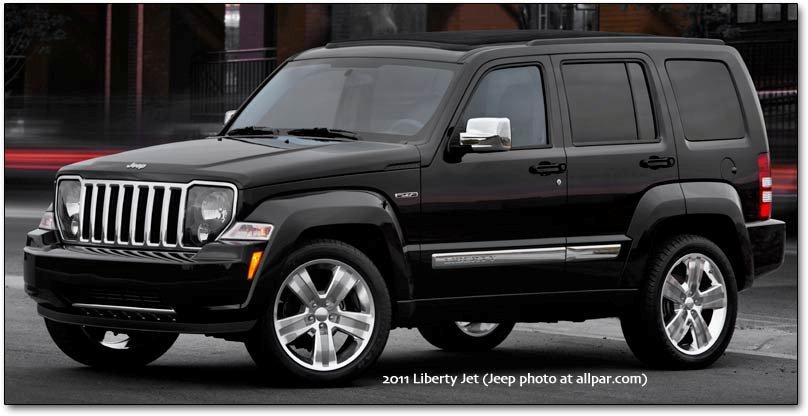
SUVs, like my Jeep, facilitate this type of behavior in that you need some room to switch from business clothes to recreational clothes. The proper use of red lights and putting the vehicle in park are key elements to this skill- but I will refer to that later. Let’s talk for a moment about some of the classic changes that have taken place in my life.

One time I was sitting in the parking lot of the OSI Meat Company near Salt Lake City after a successful meeting. My co-worker said, ” We didn’t get our tour of the plant” and I said,” You drive- I have seen enough meat plants in my day and we are 8 miles down canyon from Alta Ski Resort.” As she took the helm of the rental SUV, I quickly made the Superman like change from sport coat and slacks into my ski gear and asked her to pull into the Cliff Lodge at Snowbird. I told her to get a massage and that I would be back to get her at 5:00 so that we could drive to the airport to get our flight to Las Vegas for a trade show. She was dumbfounded but amazed at the plan and to her surprise- in no time I was back to pick her up and was dressed in slacks and a sweater. I told her,” Great afternoon pounding the High Traverse, Eagles Nest and High Rustler and look, ready to go to the airport.”

Another co-worker was with me on a week long trip to our Salt Lake City location for the company. Every day after work, I would drive her up to Park City and tell her to meet me at the parking location in 2 hours. We then would have dinner and enjoy the town before the return trip back down Interstate 80 to the hotel. She saw me remove my mountain bike, which I had brought on the plane with me, and as she walked away, she noticed clothes flying in the car and voila- another Superman change. When she returned to the car I was standing there putting on some shorts behind the car door( some decorum is necessary some of the times) and a T-shirt and some deoderant so that I would not totally gross her out and off we went to get a cold one at the Wasatch Brewery and a burger. This similar routine allowed a full day of work, 2 hours of great riding up at Park City and a beer and a good meal before we got up and did it all over again every day of the week. She was astonished and said,” Pat- if you would not have taken me up there every evening, I probably would have just stayed in my room and done nothing.” I said, “Jamie- you need to enjoy every moment in life. Carpe Deium girl.” She laughed and shook her head in amazement.

One time the Art of the Change was challenged by an Ambridge,Pa. police officer as I was coming from skiing in the Laurel Highlands and dressing on the fly for a funeral in Ambridge. At one point, I was down to my boxer shorts and the lights from the police car came into full view in my rear view mirror. I pulled over to the side of the road like a good motorist and scrambled with my dress shirt and suit pants as the officer came to the window. He greeted me and fortunately did not notice my bare feet on the gas pedal. He said,” Not you sir- the guy behind you is who I wanted.” ” Thanks for pulling over though and have a nice day.” I returned the pleasantries and sighed with relief that he had not seen me two minutes earlier driving down Rt. 65 basically in my birthday suit.
One other time, I was in the Reno Airport and frantically ripping through my bag to put on my ski clothes right at the carousel. People laughed as I strapped on my ski boots and schlepped my skis and bag to the curb to be picked up by my friend Eric to ski up at Mt. Rose. He laughed when he saw the blue Lange boots in the distance and said that he had only missed three runs when we arrived back at the area. That quick carousel change assisted us with gaining some valuable vertical feet.

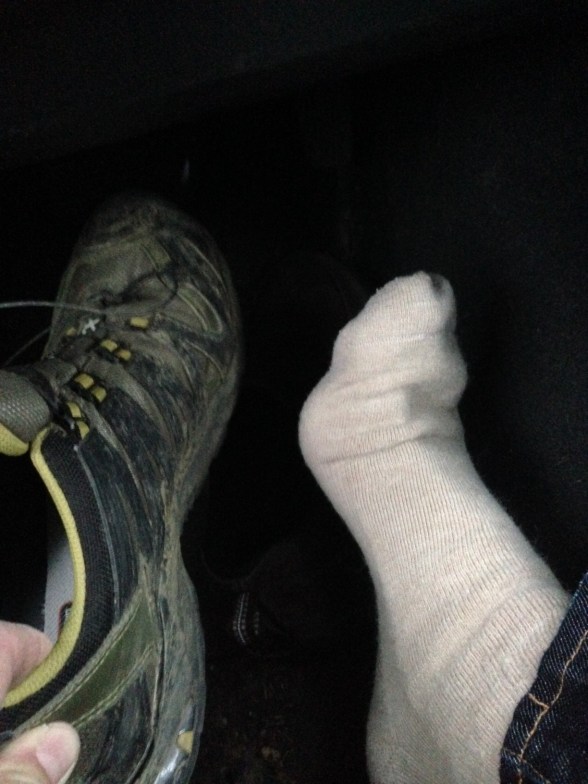
One thing about cycling and skiing is that you spend some time changing clothes to participate in the apres activities. As important as it is to be able to change out of your clothes, it is perhaps more important sometimes to be able to quickly change into your clothes especially if you are meeting some folks and you are late. This is where the Art is fully employed. Traffic lights are the friend of any car changer and it is most important to know what can be accomplished between red and green lights. After putting the car in park, a shirt change, sock change,and cycling short change can easily be accomplished. Ski pants can take a little longer and your timing must be perfect otherwise you travel “au naturale” until the next light allows the completion of the change. If you are really skilled, you can even put in your contact lenses between traffic light cycles. But safety first!! I have often been tempted to change by steering with the knees and completing a final change cycle but I consider that like texting and driving and opt for the completion down the road a bit. Some things can throw you off like a big toe stretching the lycra of cycling shorts down to the brake pedal. Or perhaps a ski sweater put on inside out. Or even a clumsy change of a sock. But the better you get, the more you can utilize traffic lights, heavy traffic, and quick pull-offs to a rest stop on the Interstates.

One of my mantras is to always pack what you need before your day starts. A rookie would stop at home first and risk having a series of “honey-do’s” befall him or her. You can get sidetracked if you do not focus on your exercise after work by the faux pas of not packing ahead of time. Similarly you do not want to sit around drinking a post ride or ski beverage still attired in your workout or ski clothes. The change is necessary for full comfort and the more skilled you are at the Art of the Change, the better the experience and with a little effort, you can enjoy some things that you might not have even considered. Timing is everything in life and you must reach out and go for the gusto. Use your vehicle or rental vehicles for the appropriate changes, be courteous to your fellow travelers but never let decorum stand in the way of a good time. If they catch a glimpse of your Steeler boxer shorts, so be it. Life is short- grab it for all its worth. Thanks for reading and use those red lights.

The Lost Ski Areas

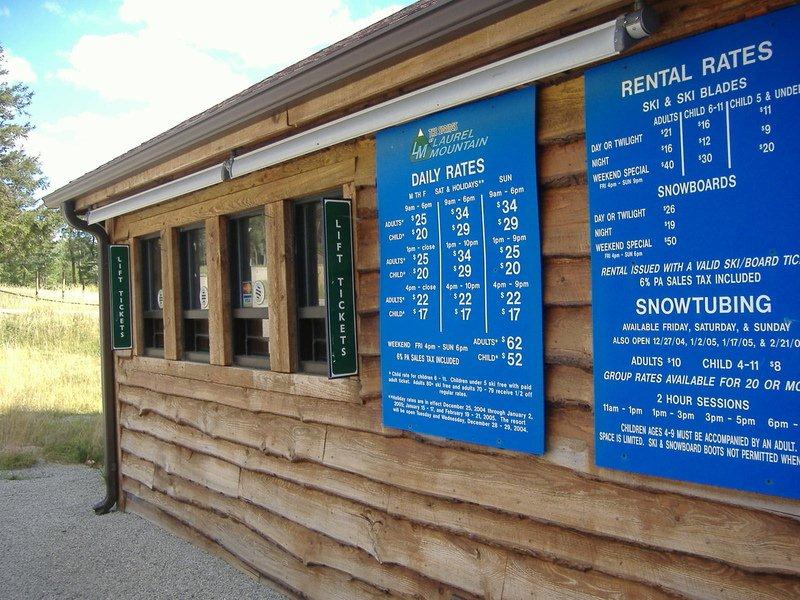
800x600px-LL-cf36c16a_DSCF4404800x600px-LL-dd1752d2_DSCF4395800x600px-LL-53de19e0_DSCF4407newaerialLaurel Mountain Ski Resort will be quiet this season  TribLIVE If you peruse the internet, and look up http://www.nelsap.org, you will find a site dedicated to the preservation of the memory of ski areas in New England that have been closed due to financial and weather related problems. There are many pictures of these “lost” little areas and the site has expanded from New England to New York State, New Jersey, Quebec, Alberta, Colorado, Washington, and Pennsylvania. The sweat equity of the founders of these areas and their passion for skiing was oftentimes not enough to overcome the financial pressures of taxes, electricity, diesel costs, maintenance of lifts and lodges, and payroll. I remember and have skied a lot of these little areas in my time and one of the most memorable was Laurel Mountain in Ligonier, Pa.

Laurel was founded in 1939 and opened to members of the Rolling Rock Club in 1940. The Mellon Family built a beautiful lodge which subsequently and tragically burned in later years. The area opened to the public in 1958 and eventually was turned over to the state in 1964. The Department of Natural Resources ran the area for a number of years until some private management firms tried their hand at running the resort. Weather and financial difficulties forced closings in many ski seasons and the last attempt was made by Seven Springs Resort in the 2004-2005 season. Unfortunately a warm winter accompanied by low skier visits forced the closing of Laurel Mountain up until the present day. There are rumors of re-opening but at this point- only rumors.

Laurel was always a mountain adventure to me. When I was a kid, I remember going up Route 30 and making the right onto Laurel Mountain Road. It was like entering a winter wonderland in a forest setting with snow covering the trees and forming a tunnel all the way back to the ski area. I was mesmerized as a kid with all the snow and the family atmosphere of picnic lunches in the lodge, hot chocolates on the deck, and the fun of being in the mountains in a non-commercialized environment. In college, I taught skiing there as part of the Ski Academy and became friends with many of the state employees who ran the area. The State ran a pretty spartan ship at the time but the trails that meandered in the wilds of the Pennsylvania forest on the Laurel Ridge were a scenic trip back in time. This was how skiing was supposed to be. Family oriented, small snowy area with local charm pervading the scene. The big draw was Upper and Lower Wildcat which was one of the steepest runs in Pennsylvania. At only 900 vertical feet, it still packed a whollop as a challenging run that you could ski all day and never be bored. Occasionally, you would take the surrounding trails for variety and make your way to the main chairlift that serviced the Wildcat slope. There were times when that chair stopped and if you were unfortunate enough to be at the bottom of the mountain, you either had patience and waited, or you began to walk up the trail to the top which was one heck of a workout.

When my son was first learning, I took him to Laurel frequently and made a day out of skiing the trails and then eating lunch and stopping at the Pie Shop in Laughlintown at the bottom of the mountain. Coupled with trips to Fort Ligonier, I had a captive audience with him as I explained the nuances of the French and Indian War which was fought in the very woods that we were skiing. As we ate our apple pies the conversations were either about his skiing progress for the day or the battle at the fort and how George Washington, and Generals Braddock and Forbes played a significant role for the British in the area. I often said that aside from skiing a great little mountain with my son, the better part of the day was the travel to and from Ligonier. It was good father and son time and I will never forget that opportunity that this lost ski area gave me as a father. Many picnic lunches were eaten by the McCloskeys at that lodge at the top of the mountain and the Midway Cabin with its hot chocolate and goodies from the Pie Shop oftentimes was the highlight of the ski day at Laurel Mountain. The snow, the views into the Laurel Valley, and the family atmosphere will never be forgotten.

We often see and ski the big major resorts in the west and New England. We marvel at the money spent on lodging, snowmaking, high speed lift expansion, grooming, and the marketing of the ski experience at a large ski area. Skiing has become a huge commercial offering with investments being made by large firms outside the ski industry. Every year, ski areas compete for the business of families, singles, couples, and company outings. The pressure to be competitive and profitable is intense as ski areas are run as a business and not out of that family oriented, local community ethos that started the “lost’ ski areas of old. I love the opportunities and ammenities of the big areas but I get nostalgic for the history of the sport that was honed in the smaller areas with the slow chairs, limited snowmaking and grooming, and that family atmosphere that was created by the founders of the original ski areas. Skiing Laurel Mountain was like traveling back in time. It was how skiing was meant to be and I can only hope that someday, someone will recognize the value of that gem in the Laurel Highlands and think about overcoming the odds and investing in a worthwhile skiing experience. I can remember asking Herman Dupre (former owner of Seven Springs) why he would not develop Laurel Mountain and he said,” Pat- sit down here and I will give you 38 reasons why.” I listened as Herman was a very successful engineer and businessman. I can see how the area could become one of the lost because of the varied encumbrances that halt its development. But someday, there will be someone who will take the challenge, even if it might not make economic sense, and reopen Laurel and reopen that portal to the past. Think snow and thanks for reading.

The Adventures of Four Wheel Drive

Google Image Result for http--www.allpar.com-photos-jeep-grand-cherokee-jeep-liberty-jet.jpg (2)Ross_TX_89Blazer_1RR1979_International_Scout_II_For_Sale_Front_resize So, the other day I was coming home from Kansas City and had a rear wheel drive rental van at my disposal because my Jeep was in the shop for repair. When I got back to the airport in Pittsburgh, it was snowing like crazy and I was treated to an adventure in driving on the way home. The two wheel rental van was less than optimal to say the least and I really was looking forward to getting my Jeep back.

I have been driving four wheel drive vehicles since I was in my early twenties. I used my mom’s Buick in my teens to go to the mountains with heavy snow tires and sand bags in the trunk. I had some driving adventures in Western Pa. and West Virginia but the moment I went to four wheel drive, I felt a lot more secure………..in certain instances. My first vehicle was an International Scout. It was a heavy, reliable bucket of bolts which I used to haul my friends out of trouble with my trusty tow strap. I thought that since I had a four wheel drive, especially an International, it was my responsibility to haul everyone out of the mud or snow when they got stuck. One time up in the mountains, I saw a black limo standed in the ditch at the entrance to Seven Springs Mountain Resort. I pulled in front of the guy in a raging blizzard and got under his vehicle with my ski school uniform on and proceeded to hook up my tow strap to the vehicle. I went to the window and the driver said,”thanks man” and kept looking straight ahead. I managed to pull him on to the road and when I went to the car, uniform dirty and greasy from the road, the Mayor of Pittsburgh was in the back seat and gave me a flippant “thank you” and told the driver to get going because he was late. There I was in my dirty uniform at the side of the road, soaking wet from snow, and all I got was “thank you” and basically get the hell out of the way – lubehead. My introduction to the fact that graciousness is not always first and foremost for some people for whom you do a favor. But I continued my benevolent ways with my strap.

When I drove Chevy Blazers, I used them in a slightly different way in that my friend Bob Dresher and I used to set the land speed record to Vermont from Wexford. Not the best way to treat a new engine but 90 MPH on the New York Thruway with the radar detector tuned in made for a short trip to go skiing. Several of those trips were slowed by sleet, freezing rain in Buffalo, and feet of snow going from New York state into Vermont to ski. The Blazers were large vehicles and it was convenient to take every bit of gear with me on the Northern treks. They were great to sleep in as well in the parking lots of ski areas especially with a sleeping bag that goes down to -40. I still have that bag but the Blazers are long gone.

I learned real quickly that four wheel drives climb real well but can slide like a mother when the snow is greasy, especially if you make the mistake of trying to get one more winter out of a set of tires. I had a Mitsubishi Montero for a while and had my son in the car seat when I started to slide down Highland Avenue near my house. I remained calm and aimed the slider towards the first open yard that I saw and came to a rest right in front of a stranger’s house. The same Mitsubishi also almost went over Wagner ski slope at Seven Springs when I began to slide sideways trying to park at the top of the mountain for a mountain bike race. Had it not been for the gravel road right in front of the chalet at the top of the slope, I proably would have had to bail out of the vehicle and watch it roll over and over towards the ski lodge. The good Lord was watching over the kid that day for sure. Yikes!!

My Honda was a fun vehicle and one time my family and I were traveling to ski up in Western New York with some friends. It was snowing like crazy again when we started our trip north and we watched four wheel drives flying by us on the way up. My son was a young teenager at the time and I was already starting to tell him about the virtues of driving cautiously. I asked him to mark the vehicle in his mind when they passed us and predicted that they would have an issue with the roads ahead. Sure enough, every one of those drivers were in the berm in the middle of the interstate stuck up to their doors. The tow strap did not come out in those instances for a number of reasons but suffice to say that my son got the message about four wheel drives and their supposed invincibility.

Currently I am a Jeep man and there is something about driving a Jeep. You kind of have a swagger like ,” yea- I have a Jeep and I load it up with firewood and mulch up to the ceiling” ” It is a manly vehicle and even though it is like all of my other four wheel drives with the musty smells and mud from mountain bike excursions and wood chips constantly raining from the seats, it fits my personality. I like tough vehicles and in my Walter Mitty mind, it makes me the true mountain man. My wife says I kill our vehicles but it is better than me driving a Cadillac or a Lexus. That would be like putting slippers on a hog. I am a four wheel drive guy.

Three years ago I had finished skiing with my friends in Tahoe and we all went to dinner in my friend’s four wheel drive van. I was the designated driver that night and while we were at dinner, it snowed 2 feet. Not unusual for Tahoe but it was a challenge to get the van out of the parking lot and on to the road. I white knuckled it down the road and large four wheel drive trucks passed me like I was standing still. Two feet of snow at any one time is nothing for the folks in the Sierra and I got used to the fact that driving is driving and if you respect the conditions and the limitations of the vehicle, you can make your way. It is all relative and the more you drive in the winter, the better you get. But as I tell my resident 18 year old driving expert in my house that he needs to be careful on the roads when it snows, I do need to let him experience what my folks let me experience. Driving the ’64 Buick in the winter taught me a lot and when I graduated to the four wheel drive world, I was a happy guy. So, be careful driving in the winter and respect the conditions and the limits of your vehicle. But enjoy the winter and be glad that there are vehicles out there that you can enjoy and get to the places that you love. Think Snow and drive safely! When you see my son, tell him the same.

One final reminder- if you follow my blog on WordPress, make sure you click on the title to see the pictures. Otherwise, you will only have my drivel to visually enjoy. Thanks for following.